 We donate 1% of our revenue to "Smile of the Child"


Books, websites and blogs for maintaining or restoring health, in more natural ways and with fewer side effects.
Although some sources have been translated into Greek, we provide links to the English-language books on a European website (Amazon.de), for reasons of completeness and convenience (we do not receive any commission for the recommendation or purchase of the books).
Other useful sources of the above or other related books are applications with audio and written book summaries, such as Blinklist, as well as subscription programs with millions of free books, such as Amazon's Kindle Unlimited (use from mobile, tablet, laptop, Kindle device, PC).
We do not share all of the authors' opinions, many of which are contradictory. However, you will certainly discover a variety of new topics and approaches, which often overturn established views, open new horizons, and lead to the advancement of science.
If you have a book, website or blog that you think should be included in the list below, send us your suggestions at This email address is being protected from spambots. You need JavaScript enabled to view it.!
We hope that for some, this website will be the beginning of new knowledge and a better life!
- THE INFORMATION REVOLUTION
- RECOMMENDED HEALTH LINKS
- RECOMMENDED ARTICLES HEALTH
- INFRARED HEAT, NATURAL VS ARTIFICIAL LIGHT, INFRARED RADIATION
- SALT THERAPY
- CRYOTHERAPY - ICE BATHS
- MAN-MADE ELECTROMAGNETIC RADIATION – DAMAGES AND METHODS OF PROTECTION
- NUTRITION
- HEALTH APPROACHES
- HEALTH PROBLEMS
- IMMUNE SYSTEM
- ANTI-AGING / LONGEVITY
- CONTROLLED STRESS
- MENTAL HEALTH
THE INFORMATION REVOLUTION
The Information Revolution
For the first time in human history, there is such broad access to knowledge, not limited to closed professional or economic circles. Free (or with a small subscription) access to all published research, millions of informative books, websites, blogs, free AI tools, chatbots that can analyze various aspects of any topic.
Continuous developments in various scientific fields, many of which did not exist until recently or are experiencing a recent revival: Evolutionary biology and medicine, Holistic medicine, Orthomolecular medicine, Circadian medicine, Naturopathic medicine, Electrophysiology, Regenerative Medicine, Functional Medicine, Chronobiology, Chronopharmacology, Anthropology, Psychology, Kinesiology, Psychoneuroimmunology, Biofeedback, Energy Medicine, Oxidative Medicine, Phototherapy, etc.
New laboratory tests, new health monitoring technologies, overturning established views after reexamination with AI or taking into account new variables or new technological tools, shocking discoveries that had not received the recognition they deserved and are coming back to the fore, innovative cancer treatments with minimal side effects, spontaneous remissions in incurable diseases, revolutionary treatments for disabilities, skin regeneration, studies of fat reduction with increased calorie intake, reversal of aging, innovative treatments that eliminate infections without causing antibiotic resistance, revival of therapeutic heating / artificial fever, etc.
The trap of passive information consumption
While in theory we are responsible for our health, in practice we often fall into the trap of passively accepting information.
Lack of time, mental fatigue or the need for social and professional adaptation lead us to uncritically consume the information that appears before us: that which is promoted by algorithms on social media, that which is suggested by the "expert" of the day, our circle of friends or the mainstream media.
The result? We become trapped in our initial opinions, seeking only what confirms them (confirmation bias). We hesitate to change our minds, even if the data changes, for fear of diminishing our prestige, for financial interest, or simply because change requires effort. We look for quick "solutions" that cover the problem, instead of taking the time to understand it.
The Power of Critical Thinking
Is what you think you know valid? Why? Because you or your organization says so? Because it's trendy? Because your parents or friends told you so? Because it's heavily advertised and many companies have invested in it? Because many people have been saying it for years, so it must be true?
Don't take anything for granted - established and "proven" scientific opinions have been overturned many times in the past and will be overturned in the future.
Critical thinking means that I do not unthinkingly reject conventional views because they are the established view, nor do I reject every alternative scientific theory because it is not commonly accepted or I have not heard of it before.
It means that I do not uncritically accept what the "expert", the government, my association tells me, nor do I reject every opinion that comes from a non-expert, from scientists in another field, or simply someone who shares their personal experience.
It means that I do not consider everything new, artificial, synthetic as something inherently harmful, but also not everything natural, which has existed for a long time as something inherently beneficial (and vice versa).
It means I recognize that the best-selling book is not necessarily the best, the latest research is not the most accurate, the influencer with the most followers is not the most trustworthy, the fittest trainer is not the healthiest, the most expensive doctor you can't get an appointment with is definitely not the most likely to cure you, just because a treatment has a specific effect doesn't mean the overall effect is positive or that it's the best way to achieve it etc
It means that I am not impressed by impressive or aphoristic headlines for new research that are written to attract clicks but I think that everything depends on the dose, duration, frequency, the exact substance or treatment, the sample studied, the season, the exact conditions, the views of the researcher, the research funder, etc.
The Future of Health
So what information and treatments should we pay more attention to?
We don't have all the answers, but we believe some principles help us have a better picture of how to improve our health or how to prevent it from getting worse.
The human body evolved over a long period of time, into an organism with natural mechanisms for maintaining balance, which not even the most perfect medicine can duplicate.
Diseases are not due to a lack of medicines or exotic herbs, but to deeper factors and these are what we must look for.
We can face most diseases and microbial, mental, physical and environmental challenges if our basic needs in calories (many forget this today), macronutrients (carbohydrates, proteins, fats) and micronutrients (vitamins, minerals) are covered, if we are exposed to natural light at the right times of the day and avoid artificial light at the wrong times of the day, if we avoid chronic / excessive / prolonged mental, psychological, physical and nutritional stress, if we supplement sufficient hours of sleep at the right times of the day, if we have sufficient movement/exercise, if we avoid continuous exposure to unnatural electromagnetic fields, the consumption of unprecedented processed foods, the millions of chemicals in cosmetics, foods, clothes, appliances, furniture, etc.
Pharmaceutical medicine, despite its successes in treating acute conditions, has difficulty controlling chronic diseases that are the main causes of death.
The existing health system spends more and more money, with the result of extending life expectancy (usually), but not the duration of a healthy life, with the typical example being the USA, where they spend almost twice as much GDP on health compared to other developed countries, but the results in indicators such as life expectancy, child mortality and chronic diseases are much worse.
The modern availability of information, the gradual reexamination of established ideas, and people's need for gentler, more affordable, and more natural treatments that will be no worse than the disease they are trying to treat, are already changing the landscape of healthcare.
This is shown by global trends, as well as promising political decisions, such as the Food is Medicine law that has already been passed in the State of Oklahoma, USA, and allows for the provision of nutritional counseling and the purchase of meals or basic grocery items to treat illnesses, instead of expensive medications with dangerous side effects.
The information revolution is here, and each of us has the power to take control of our health.
If the warning lights in your car came on, would you look for the problem or would you just put a sticker on it so you wouldn't see them?
“I don’t have time” or “I don’t have money” often means “this isn’t important enough for me to spend my time or money on.” Unfortunately, health problems that we don’t address at all or simply cover up with medication or surgery usually come back in a more severe form or in another form to steal even more time and money from us.
Let's start today, with an open mind and critical thinking, to build a healthier and more conscious world.
RECOMMENDED HEALTH LINKS
https://chrismasterjohnphd.com
https://www.siimland.co/
http://www.westonaprice.org
http://raypeat.com/
https://www.mercola.com/
https://jayfeldmanwellness.com/
http://haidut.me/
https://fundamentalnourishment.substack.com/
https://unbekoming.substack.com/
http://perfecthealthdiet.com/
https://medicaldetective.substack.com/
This email address is being protected from spambots. You need JavaScript enabled to view it.
https://www.midwesterndoctor.com/
https://sayerji.substack.com/
https://www.katedeering.com/
https://www.billycraig.co.uk/
https://drcate.com/
https://integrativeoncologyinstitute.ca/
https://www.gutsense.org/
https://chriskresser.com/
https://biochemnordic.com/
https://therootcauseprotocol.com/
https://erictopol.substack.com/
https://drsircus.substack.com/
https://drkentholtorf.com/
https://www.restartmed.com/
https://www.drhagmeyer.com/
https://wilsonssyndrome.com/
https://thyroidpatients.ca/
https://drruscio.com/
https://www.gutsense.org/index.html
https://www.longevityinsider.org/
https://longevity.technology/
RECOMMENDED ARTICLES HEALTH
https://chrismasterjohnphd.substack.com/p/what-everyone-should-be-doing-for
https://unbekoming.substack.com/p/a-unified-theory-of-health-through
https://unbekoming.substack.com/p/never-be-sick-again-2002
https://www.westonaprice.org/health-topics/abcs-of-nutrition/principles-of-healthy-diets-2/#gsc.tab=0
https://articles.mercola.com/sites/articles/archive/2025/08/31/the-big-secret-corporate-control.aspx
https://articles.mercola.com/sites/articles/archive/2025/08/27/omega-3s-linked-to-increased-inflammation-markers.aspx
https://chriskresser.com/behind-the-veil-conflicts-of-interest-and-fraud-in-medical-research
https://www.scientificamerican.com/blog/guest-blog/can-the-source-of-funding-for-medical-research-affect-the-results/
https://journals.plos.org/plosmedicine/article?id=10.1371%2Fjournal.pmed.0020124&utm
https://wholehealthsource.blogspot.com/2011/08/carbohydrate-hypothesis-of-obesity.html
https://wholehealthsource.blogspot.com/2012/02/is-sugar-fattening.html
https://fundamentalnourishment.substack.com/p/how-to-not-get-fat
https://fundamentalnourishment.substack.com/p/early-puberty
https://fundamentalnourishment.substack.com/p/diabetes
https://fundamentalnourishment.substack.com/p/glycation-part-1
https://fundamentalnourishment.substack.com/p/hashimotos
https://jeffreydachmd.com/2025/08/cracking-cancer-toolkit-banned-from-amazon/
https://unbekoming.substack.com/p/the-dmso-handbook-a-practical-guide
https://paulrobinsonthyroid.com/we-need-a-new-paradigm-of-thyroid-treatment-and-soon/
https://drkentholtorf.com/medical-literature/peripheral-thyroid-hormone-conversion-impact-on-tsh-and-metabolic-activity
https://preventionandhealing.com/blog/parasites-as-a-new-emerging-global-environmental-threat-paradigm-shift-in-environmental-medicine/
https://www.frontiersin.org/journals/public-health/articles/10.3389/fpubh.2025.1585441/full
https://becomeuncivilized.com/p/the-man-who-ate-6000-calories-a-day
https://www.jayfeldmanwellness.com/water-more-is-not-better/
https://www.jayfeldmanwellness.com/are-you-still-restricting-salt/
https://www.jayfeldmanwellness.com/aging-metabolism-and-caloric-restriction/
https://www.jayfeldmanwellness.com/it-all-comes-down-to-energy/
https://www.jayfeldmanwellness.com/why-eat-less-and-exercise-more-is-the-worst-advice-for-fat-loss-and-health/
https://raypeat.com/articles/articles/fats-functions-malfunctions.shtml
http://raypeat.com/articles/articles/unsaturatedfats.shtml
https://raypeat.com/articles/articles/glucose-sucrose-diabetes.shtml
https://unbekoming.substack.com/p/sanitation-not-vaccination-1881
https://unbekoming.substack.com/p/the-wrong-enemy-blood-clots-not-cholesterol
https://drsircus.substack.com/p/beyond-cholesterol-atherosclerosis
https://chrismasterjohnphd.substack.com/p/3-tests-to-transform-your-health
https://chrismasterjohnphd.substack.com/p/alcohols-surprising-role-in-your
INFRARED HEAT, NATURAL VS ARTIFICIAL LIGHT, INFRARED RADIATION
Heat and light are fundamental physical factors for human health, in ways that modern science has only begun to understand in depth in recent years.
Infrared heat penetrates tissues, enhances circulation, relaxes the neuromuscular system and activates detoxification mechanisms, while the controlled therapeutic use of heat – such as in saunas or hot baths – has been shown to reduce cardiovascular risk and enhance the body's resilience.
See Clearlight's top infrared saunas!
Fever itself, often misinterpreted as a mere pathological phenomenon, is actually a natural defense mechanism: by increasing the temperature, the body limits the proliferation of microbes and strengthens its immune response.
At the same time, natural light – unlike artificial light – regulates circadian rhythms, promotes mental well-being and synchronizes hormonal functions, while ultraviolet radiation stimulates the synthesis of vitamin D, vital for bones, the immune system and metabolism.
See him tower treatment red Red Light Therapy Tower by Clearlight !
In balance, heat, light, and even fever act as natural healing stimuli that strengthen our own biological resilience.
Infrared Saunas
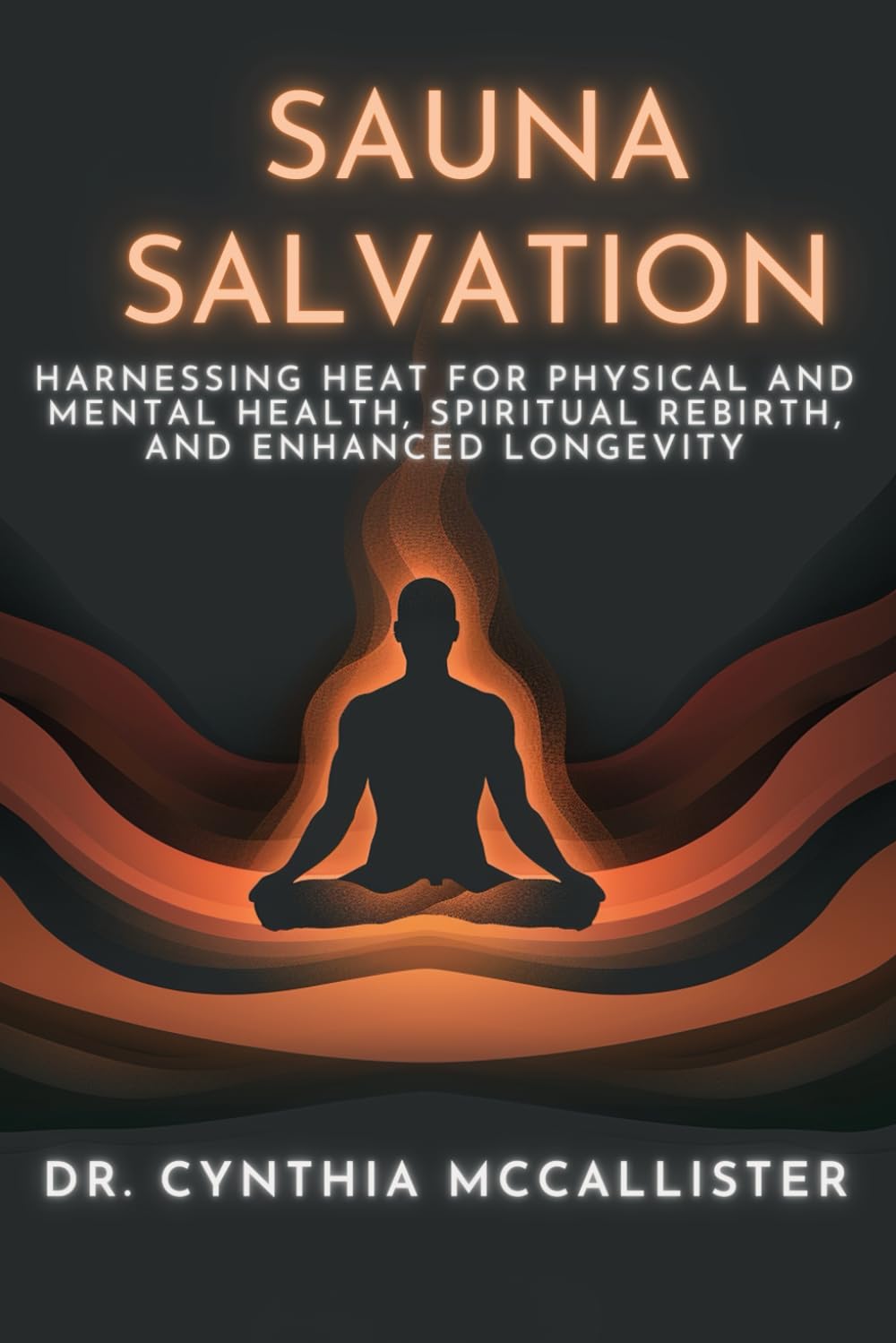
"Sauna Salvation" is a comprehensive guide for those who wish to upgrade their physical and mental health through sauna use. The book examines how heat can enhance blood circulation, improve cardiovascular function, and promote detoxification of the body. Breathing and relaxation techniques are provided to maximize the benefits of each session.
In addition, the author analyzes the spiritual dimension of the sauna, showing how its regular use can enhance self-awareness, concentration and mental endurance. The book includes practical programs for daily application, making it easy to integrate the sauna into your routine. Through scientific analysis and personal experiences, readers are guided in the safe and effective use of heat.

" The Far-Infrared Heat Miracle" focuses in the infrared heat as therapeutic tool new generation . The book explains how infrared rays penetrate deep into tissues, enhancing cellular renewal and promoting the body's natural healing. Scientific data is provided on the positive effects on the recovery of musculoskeletal and chronic problems.
Practical applications for improving overall endurance, well-being, and quality of life are discussed. The authors combine theory and empirical examples to show how infrared heat can be an important tool for the prevention and treatment of disease. The book also includes instructions for safe use at home and in professional centers.

"Sweat" highlights the importance of sweat as a key tool for health and well-being. The book explains how sweating helps remove toxins, regulate body temperature, and enhance blood circulation. Strategies are provided for optimally using sweat in everyday activities and training.
In addition, the effect of sweat on mental endurance, energy and general well-being is examined. Practical instructions and techniques are included that enhance the body's physical strength and resilience. Through scientific data and personal experiences, the book offers a comprehensive understanding of the benefits of sweating.
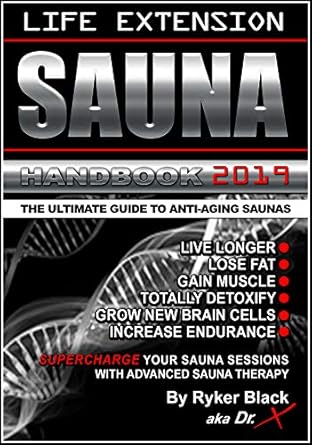
The "Life Extension Sauna Handbook" is the ultimate guide to anti-aging and fitness improvement through sauna use. The book explains how regular use can help reduce fat, increase muscle mass, enhance brain function, and detoxify. Specific programs and schedules are provided for optimal results.
It also describes the effects of sauna on longevity, improved endurance, and mental well-being. The book combines scientific data with practical instructions, giving readers tools for safe and effective use. It is suitable for beginners and advanced users who want to integrate sauna into their daily lives.
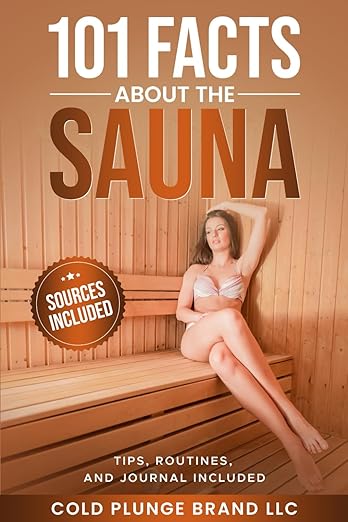
"101 Facts About the Sauna" offers complete guidance for those who want to utilize the sauna in their daily lives. It includes 101 important facts, practical tips and routines to improve physical and mental well-being. The presence of a calendar allows you to track your progress and personal goals.
The book is useful for both beginners and advanced users, combining theory and practical applications. Techniques for detoxification, relaxation and endurance building are provided, while emphasis is placed on the gradual integration of the sauna into everyday life for maximum results.
"Saunas Simplified" offers a simple and understandable introduction to the sauna and its benefits. The book explains in detail how proper sauna use can improve health, detoxification, and mental well-being. Instructions for safe and effective use on a daily basis are included.
In addition, practical tips and strategies are provided to enhance endurance, energy and relaxation. The book is ideal for both beginners and advanced users who want to fully utilize the sauna, while combining scientific data with practical instructions.
Therapeutic fever / hyperthermia
"Arming the Immune System" presents the impressive power of the natural immune system and the critical role played by the fever response. Through scientific analysis, the author shows how our body is programmed to activate defense mechanisms that are often overlooked in modern medical practice. He explains how natural immunity functions as the first and most important line of defense against infections.
The book is impressive because it illuminates in detail the positive side of fever, a symptom that is usually considered the enemy. It focuses on its importance in killing microbes and strengthening the immune response. It is a work that inspires readers to see their bodies with new eyes and appreciate the wisdom of nature.
Dr Kazuko Tatsumura, known for her many years of experience in alternative therapies, presents in "Overcoming Cancer" a comprehensive approach to the treatment of cancer and other diseases. The book integrates philosophy, scientific evidence and traditional methods, emphasizing holistic treatment of body and mind. The author highlights the importance of nutrition, energy and emotional balance.
Tatsumura impresses with her ability to bridge Eastern and Western thought, presenting stories of patients who found strength and hope through natural and complementary therapies. This work is not only a health guide, but also a message of inspiration, demonstrating that healing is a multidimensional process that goes beyond medication.
The book "Water-filtered Infrared A (wIRA) Irradiation" by Peter Vaupel is a analytical presentation her research and her clinic application her infrared wIRA radiation . This technology has been shown to be highly effective in improving wound healing, relieving pain, and enhancing circulation. The author analyzes its physiological effects in detail and with scientific precision.
The book's interest lies in the fact that it translates research directly into clinical practice. Readers will find information on the safety, indications and possible future applications of this technology. Vaupel, with many years of experience in biomedicine, makes this work invaluable for health professionals and for those interested in innovative treatment methods.
Brad Pilon, known for his work on nutrition and health, explores the role of heat in weight loss, athletic performance, and wellness in "The Book on Heat." He analyzes how heat can act as a tool to speed up metabolism and improve fitness. He presents research data and practical applications that are based on science.
The book is special because it transforms a simple natural force, heat, into a means of improving our lives. Pilon manages to bridge scientific theory with everyday practices, giving readers clear steps for utilizing heat in training and therapeutic contexts. A work that combines knowledge and inspiration.
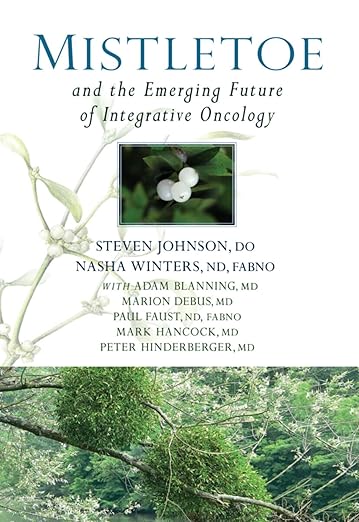
"Mistletoe and the Emerging Future of Integrative Oncology" examines the role of mistletoe as a therapeutic agent in integrative oncology. The book includes contributions from experts in the field and offers a comprehensive picture of how the traditional use of mistletoe combines with modern medicine. The importance of personalized treatment and collaboration between classical and alternative approaches is emphasized.
An impressive element is the presentation of clinical studies and real-life examples that show how mistletoe can improve the quality of life of cancer patients. This work opens new avenues in therapeutic thinking, emphasizing holistic care and patient empowerment.
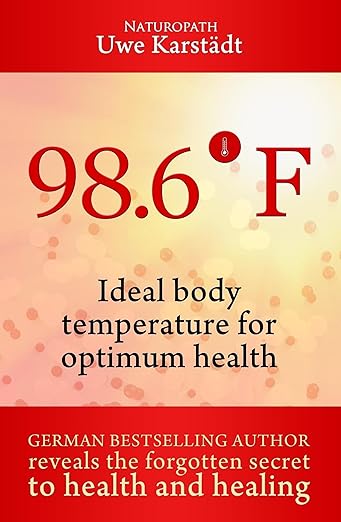
"98.6: Ideal Body Temperature as the Secret to Optimum Health" focuses on the importance of maintaining ideal body temperature for overall health. The author explains how even a small drop or rise in temperature can affect the immune system, metabolism, and energy. Practical strategies for regulating temperature through lifestyle, diet, and environmental factors are presented.
An interesting point of the book is the connection between temperature and longevity. The author analyzes how understanding this "hidden secret" can offer new possibilities for preventing diseases and enhancing well-being. A work that gives a new dimension to something as everyday as body temperature.
Red light
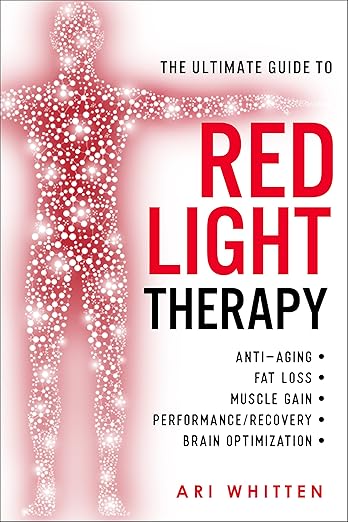
This book offers a comprehensive and up-to-date look at the use of red and near-infrared light as a therapeutic tool. Ari Whitten examines how this form of light therapy can help slow skin aging, boost energy and endurance, reduce fat, and improve cognitive function. It includes evidence from the latest studies and guidance on proper use of light devices, avoiding common mistakes, and proper dosage.
A special element of the book is the attempt to "demystify" phototherapy, to clarify the exaggerations, and to present practically how everyone can incorporate light therapy into their daily lives – whether for skin, or for muscle recovery, or for endurance, or for wellness and mental clarity. It urges the reader to be aware of the quality of the devices and how to truly evaluate their differences.
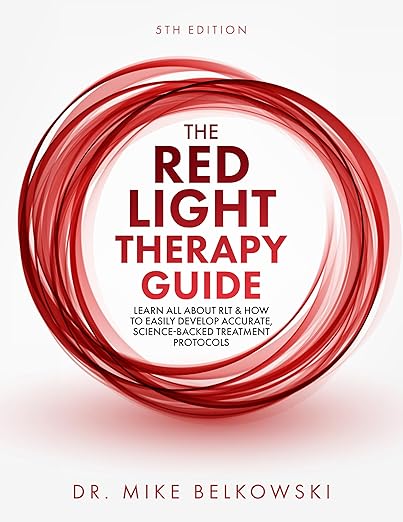
This book serves as a practical guide to creating scientifically based Red Light Therapy protocols. Dr. Mike Belkowski explains how to choose devices with the right light output, how long to use the exposure, and how to tailor the applications depending on the goal: anti-aging, rehabilitation, pain relief, or cognitive enhancement.
Of particular interest is that Belkowski examines many usage scenarios – for professional use, semi-professional or home use – providing instructions for safety and optimal results without requiring overly powerful, expensive devices. A very useful book for anyone who wants to apply RLT accurately and safely.
The book "Red Light Therapy: Boost Your Brain and Body" focuses on the connection between light therapy and cognition, mood, and mental health. John Iovine explains how using red light can reduce inflammation, improve recovery after exercise, and boost overall energy.
Although not as comprehensive as some other guides, it offers practical advice for everyday use, with an emphasis on safe and consistent application. It is suitable for those who want to try RLT but are not familiar with the theory behind it.
A practical guide by Melanie Gray that focuses on red light therapy as a tool for pain relief, anti-aging, fat loss, and mental enhancement. The book explains how to use the light in moderation, avoid overdoing it, and choose devices that actually work.
Includes examples of daily use, safety tips, and guidelines for duration and intensity of treatment. Suitable for those who want to implement RLT as part of their daily routine for wellness and recovery.
This book offers guidance on how to choose the right red light device: what specifications it should have in terms of intensity, wavelength, power, and surface coverage. Authors Bethlehem Romulus and AJ Daas gather technical and practical information so that the reader can avoid devices that do not perform.
It is especially useful for those interested in purchasing an RLT device and knowing what to look for — what prices/features are worth it, how to read the technical specifications, and how to use it safely and carefully, for greater benefit and fewer risks.
This book combines information on exercise recovery, fitness, skin care, and overall wellness using infrared light therapy. The authors explain how to safely use infrared light for recovery, inflammation reduction, improved skin appearance, and overall wellness.
Includes practical advice for use at home or after physical activity, with emphasis on time, frequency and power of the devices. Without theoretical exaggerations, it focuses on practice and experience.
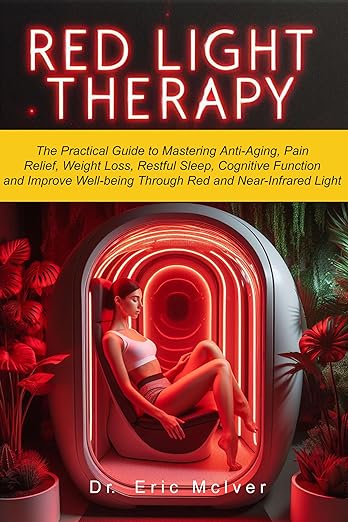
Dr. Eric McIver in “Red Light Therapy: The Practical Guide” focuses on a holistic approach: anti-aging, pain relief, weight loss, sleep and cognitive function improvement, all through photobiomodulation with red and near-infrared light. The book provides a “practical map” for those who want to incorporate this therapy into their lives, without exaggeration but with consistency and knowledge.
Includes instructions on duration, frequency, light intensity, and distance from the body, in order to ensure safe and maximized results. It also emphasizes the importance of choosing a device of appropriate quality, checking for actual specifications and not just advertisements.
Artificial light and health problems
Dr. Martin Moore-Ede, one of the leading researchers in the field of circadian rhythms, explains how light affects our physical and mental health. "The Light Doctor" presents practical strategies for harnessing natural and artificial light to improve sleep, energy, and longevity.
The book focuses on how we can protect our health in a world full of artificial light, and offers specific advice for lighting in homes, workplaces, and everyday life.
Anna Levin examines the role of light in our lives, not only as a means of illumination but also as a critical factor in health, psychology and ecology. "Incandescent" highlights the effects of modern artificial lighting on our sleep and well-being.
The book combines scientific knowledge with storytelling, helping the reader understand how important it is to rethink our relationship with light in everyday life.
This book focuses on the practical side of lighting in the home. Pon provides guidance on how we can shape our lighting environment to be healthier and more energy efficient.
Includes tips on choosing lamps, managing natural light, and striking a balance between lighting that is both health-friendly and functional in everyday life.
Natural light and phototherapies
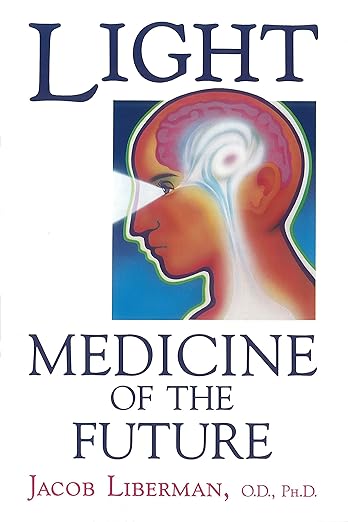
"Light: Medicine of the Future" is considered a classic work in the field of light therapy. It examines how light can be used as a natural and powerful healing tool, from boosting the immune system to balancing the nervous system. The author brings to light scientific studies as well as practical applications that make the science of light more accessible to the reader.
Impressively, the book anticipated many of the modern developments in photobiology and the medical use of light, making it extremely relevant even today.
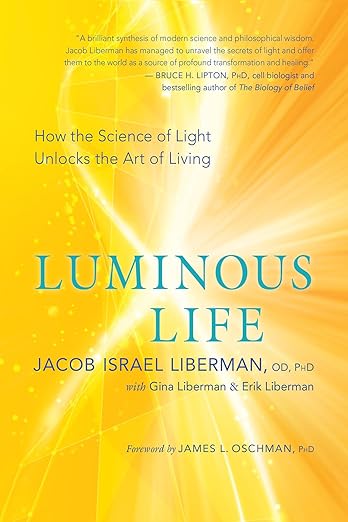
Dr. Jacob Liberman presents light as the fundamental link between biology, health, and our personal growth. In "Luminous Life," he explains how understanding light can lead us to a life of more energy, health, and harmony. It's not just a scientific book; it's also a philosophical approach to how light can lead us to a more meaningful existence.
The author's unique perspective combines personal experiences, research, and practical techniques to see life "in a new light."
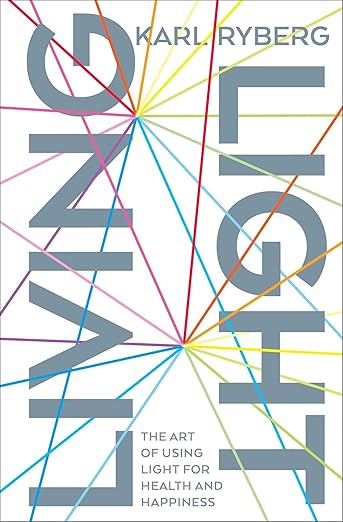
"Living Light" presents a guide to how we can harness light not only as a natural resource but also as a means of enhancing mood and vitality. The author examines the role of sunlight and artificial light in everyday life, and how they can be transformed into allies for better health.
Through practical advice, the reader learns how to adjust the lighting in their home and their habits to support sleep, energy, and happiness.
Ultraviolet radiation and health
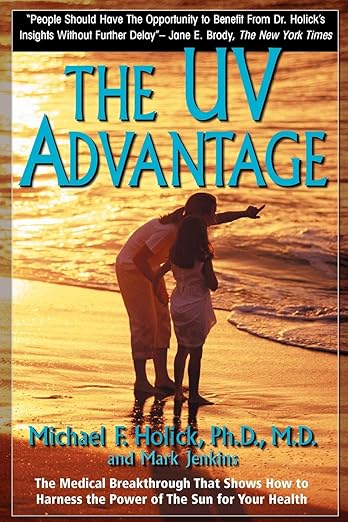
Professor Michael Holick, one of the most renowned researchers on vitamin D, presents in "The UV Advantage" the importance of sun exposure and vitamin D production for overall health. The book debunks many myths about the sun and offers clear instructions on how to safely take advantage of the benefits of UV light.
With practical charts and personalized recommendations, the reader learns how to balance the risk of sunburn with the benefits of vitamin D production. A classic work on "returning to the sun."

"Healthy Sun" challenges the common perception that sun exposure is exclusively dangerous. The author argues that balanced exposure to sunlight is fundamental to good health, while also examining the myths surrounding skin cancer.
With scientific data and practical instructions, the reader learns how to harness the power of the sun for a better mood, stronger immunity and long-term disease prevention.
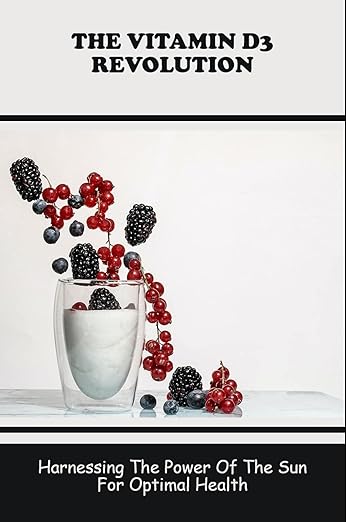
"The Vitamin D3 Revolution" shows how vitamin D3, also known as the "sunshine hormone," can be a powerful ally in preventing chronic disease and maintaining optimal health. The author explains in a simple way the biochemistry of vitamin D and its role in bone health, the body's defenses, and mood.
An impressive element is the presentation of cases where proper supplementation with D3 radically changed the quality of life of patients.
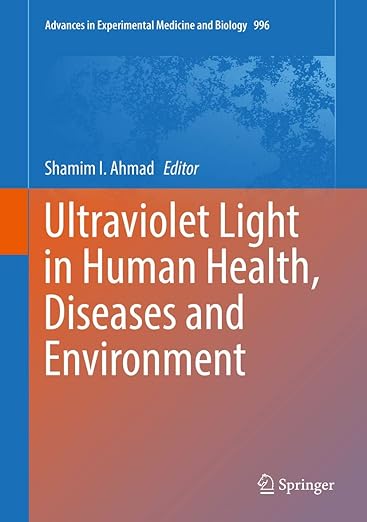
This is a scientific volume that brings together research on the role of ultraviolet light in human health, disease, and the environment. Shamim I. Ahmad and colleagues present how UV light affects our biology, from vitamin D synthesis to cellular mutations.
Although technical, the book is valuable for those who want an in-depth understanding of the impact of UV light on medicine and public health.
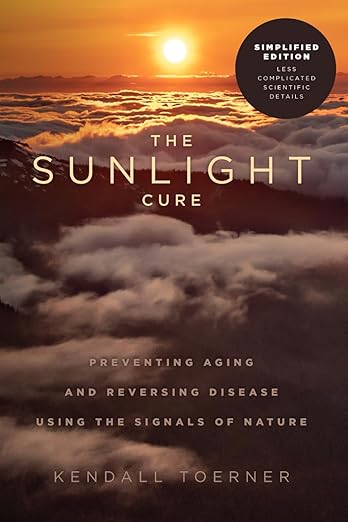
"The Sunlight Cure" examines the role of sunlight as a natural medicine, with an emphasis on the epigenetic effects of light. The author explains how daily exposure to sunlight can slow aging and reverse chronic diseases by improving metabolism and cellular health.
In easy-to-understand language, Toerner connects science with practical advice for safe sunbathing and integrating solar energy into our lives.
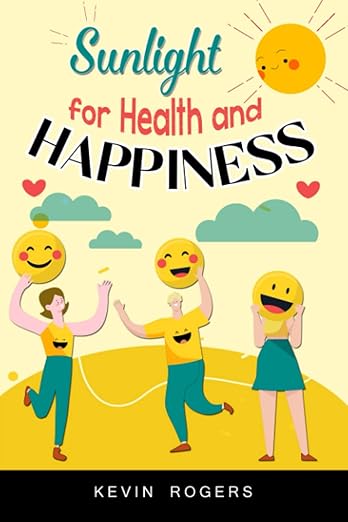
"Sunlight For Health and Happiness" highlights the role of the sun not only in physical health but also in psychological well-being. Kevin Rogers describes how solar energy can improve mood, reduce stress, and enhance an overall sense of joy.
With a balanced approach, it suggests ways to incorporate daily contact with the sun without risks, making light a true ally of happiness.
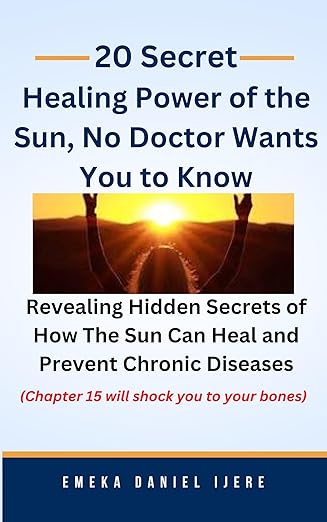
In "20 Secret Healing Powers of the Sun," Emeka Daniel Ijere reveals lesser-known properties of the sun in treating and preventing disease. The book focuses on research data as well as simple practices that show how systematic sun exposure can enhance health.
Interestingly, "hidden secrets" are described that are often not mentioned in classical medicine, giving the reader a different perspective.
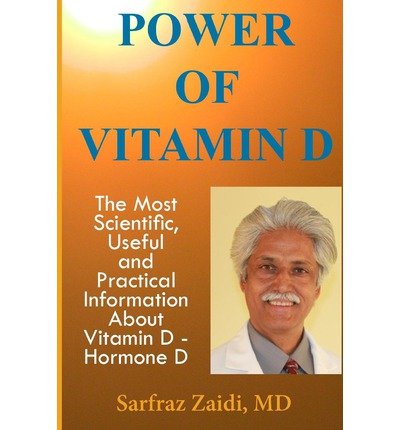
Dr. Sarfraz Zaidi, an endocrinologist, writes a comprehensive guide to vitamin D, calling it the "D hormone." "Power of Vitamin D" includes scientifically proven information about its importance in immune regulation, bone health, heart health, and blood sugar control.
The book offers practical instructions for safe supplementation, as well as for avoiding deficiencies that are extremely prevalent in the modern lifestyle.
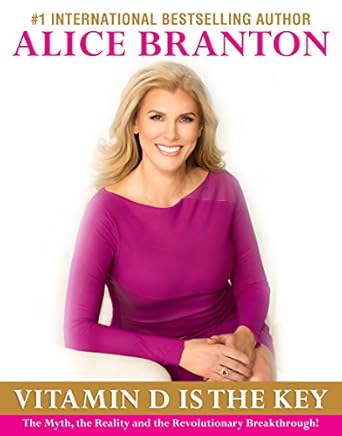
Alice Branton examines the role of vitamin D beyond the classical medical approach, highlighting its potential to bring a "revolution" in the prevention and treatment of chronic diseases. "Vitamin D is the Key" stands out for the passion with which it presents vitamin D as the key to health.
The book is written for the general public, aiming to inspire the reader to see the sun and vitamin D as essential allies of life.
SALT THERAPY
Salt therapy (or speleotherapy) is a natural wellness method based on the inhalation of air rich in salt particles, usually in specially designed spaces that reproduce the environment of salt caves. This air is believed to help improve respiratory function, reduce inflammation and irritation in the bronchi, and also contribute to cleaner skin function.
Check out Clearlight's Halo One salt therapy device!
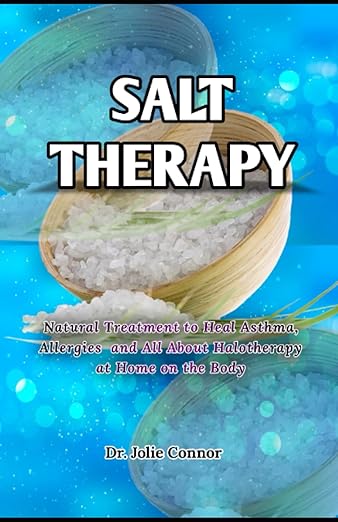
This book introduces the reader to the world of halotherapy, a natural healing method based on the inhalation of microscopic salt particles. It explains how this practice can improve respiratory function, reduce symptoms of asthma and allergies, and enhance overall well-being.
Practical instructions show how one can apply salt therapy at home, creating a small "salt cave" with natural means. A useful manual for those seeking alternative and natural therapies.
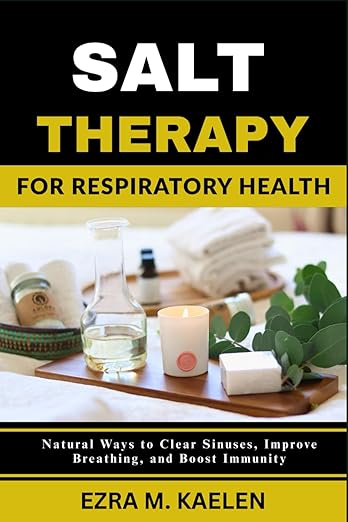
This book focuses on salt therapy as a tool for better breathing and a stronger immune system. The author describes how inhaling salt particles helps to remove mucus, clear sinuses, and reduce inflammation.
Includes practical exercises, breathing techniques and advice on how to incorporate salt therapy into everyday life, either in specialized caves or at home. A valuable aid for those suffering from allergies, asthma or chronic sinusitis.
The Complete Guide to Salt Therapy is a comprehensive overview of salt therapy and the hidden health benefits of salt. From detoxification and immune support to improving sleep and mood, the book examines how the power of salt can support the body and mind.
With scientific references as well as traditional uses, it offers a balanced perspective that combines ancient wisdom and modern research. It is aimed at both beginners and those who want to delve deeper into salt therapy.
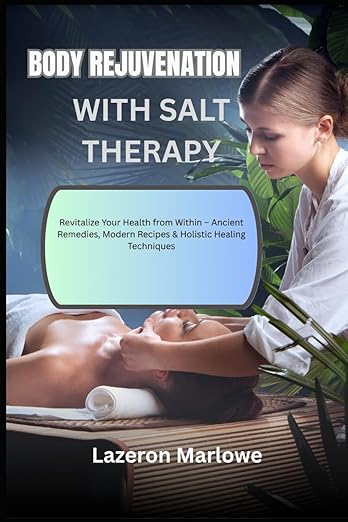
This book explores salt therapy as a holistic method of rejuvenation. It combines traditional practices with modern techniques and suggests ways to improve one's health from the inside out. It includes ancient recipes, natural remedies and practices for the body and mind.
It is ideal for those who want to try alternative care methods that enhance energy, breathing and mental well-being. An inspiring read about how salt can become an everyday health ally.
CRYOTHERAPY - ICE BATHS
Cryotherapy with immersion in ice baths (cold plunges) offers significant benefits for the body and mind. The ice water causes blood vessels to constrict, reducing blood flow and therefore reducing inflammation and swelling in the muscles, while helping to relieve muscle pain after intense exercise. In addition, exposure to cold accelerates recovery by eliminating metabolic waste and toxins, improving overall blood circulation and cardiovascular health.
In addition to physical recovery, cryotherapy enhances mental resilience, reducing stress and enhancing calmness by training the vagus nerve. In addition, it contributes to improved sleep and relaxation, with the release of endorphins enhancing mood and general well-being. Many athletes and health enthusiasts use ice baths to improve their performance and quality of life in general.
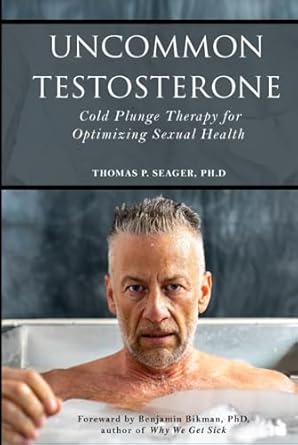
"Uncommon Testosterone" examines how exposure to very cold water (cold plunge) can affect sexual health and testosterone levels. The author combines scientific findings with practical instructions, describing mechanisms such as mitochondrial activation and hormonal regulation related to cold exposure. The text does not stop at theory: it offers step-by-step protocols, suggested dive durations, and adaptation tips for beginners and more advanced users.
In addition to physiology, the book also addresses the broader effects on energy, mood, and post-workout recovery. Readers will find compelling comparisons between traditional recovery methods and the cold-plunge protocols proposed here. If you're looking for a practical, science- backed guide to trying or improving cold exposure for hormonal and sexual goals, this book offers clarity and actionable solutions.
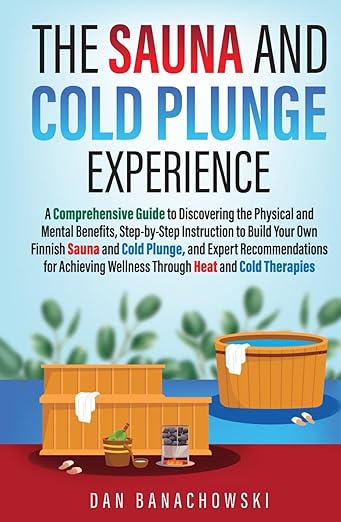
The book "The Sauna and Cold Plunge Experience" offers a holistic guide for those who want to combine sauna and cold plunge as a way to improve their health. The author describes the biological benefits, such as improved circulation, increased insulin sensitivity, and enhanced recovery after exercise. At the same time, he examines the mental dimension: how hot-cold alternations can improve mood, concentration, and stress resistance.
Included are practical step-by-step instructions for building a personal routine, suggestions for sauna and dip times, and safety tips for beginners. The book stands out for its "empirical practicality" approach—it combines personal stories, measurements, and simple techniques so that the reader can quickly incorporate the methods into their daily lives.
"The Cold Plunge" takes a fascinating journey into the world of athletes and public figures who have used cold exposure for performance and recovery. Through examples such as famous personalities and top athletes, the author analyzes the protocols they apply, the psychological effects and the micro-adjustments that make a difference in everyday training.
The book combines interviews, research reviews, and practical advice: how to get started with safe dives, how to incorporate cold exposure into your training routine, and what the expected benefits are for energy and recovery. It's ideal for those who love real-world examples and want to see what the best in the field are doing.

"The Cold Plunge Revolution" is aimed at beginners and health seekers who want to understand how cold exposure can enhance physical and mental well-being. The book offers simple, easy-to-understand instructions for getting started safely: from proper warm-up and progressive adaptation to basic self-observation measurements. The approach is practical and down-to-earth, ideal for those who are afraid or hesitant about their first plunge.
In addition, the author devotes sections to the psychology of cold exposure — how a short but regular routine can change stress tolerance and feelings of energy. It should be noted that this title was not listed on Amazon.de or Amazon.com — but it is available in other markets (e.g. Amazon.ca / Amazon.co.jp), so an alternative link is provided below.
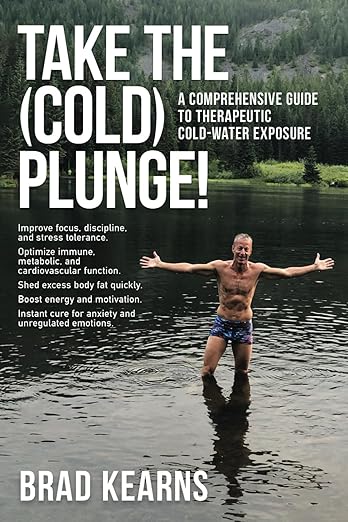
"Take the (Cold) Plunge!" is a practical guide to the therapeutic use of cold water. Brad Kearns, known for his work on physical performance and wellness, offers proven strategies for beginners and advanced divers: protocols, dive frequency, and safety tips. In addition, the book discusses the ways that cold exposure can improve sleep, energy, and recovery from strenuous activity.
With a realistic approach, the author demystifies "extreme" practices and emphasizes progressiveness and individualization. Practical tests are included to monitor progress and avoid overdoing it, as well as suggestions for incorporating cold-therapy into daily routines. This book is considered very good for those who want safe but effective approaches.
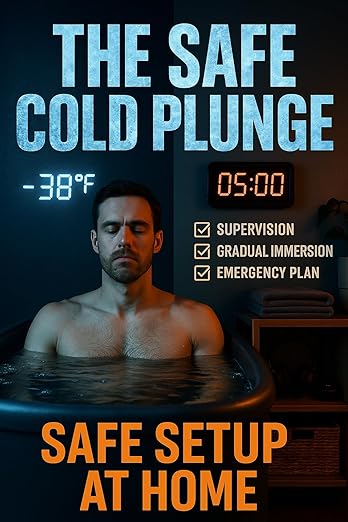
"The Safe Cold Plunge" focuses on the safety and practical application of cold plunge in everyday conditions. Eleanor Vance provides detailed instructions for home setup, water chemistry adjustment, progress charts, and adaptation protocols. The book stands out because it does not promise quick "magic" solutions; instead, it presents gradual plans that respect the body's limits and reduce the risk of injury or adverse reactions.
Included are real-world examples, advice for people with common problems (e.g., circulatory issues), and warnings about when to avoid exposure. The analytical and careful approach makes it a valuable tool for those who want to implement cold therapy at home with a schedule and safety, while avoiding excesses and wrong practices.
"Cryo-Anabolic Protocols" presents a more "scientific" and sports-focused approach to cold exposure: how regular cold exposure can help reduce fat, speed recovery, and balance hormones that benefit muscle growth. The book gets technical when necessary, explaining molecular pathways, mTOR/inokine interactions, and practical protocols for lifters and athletes looking to incorporate cryo-systems into their training.
Despite its scientific approach, the content remains practically oriented: a series of experimental protocols, dosage instructions (duration/frequency) and advice for monitoring progress are offered. It is a useful manual for those who want to combine cold exposure with performance goals, with an emphasis on safety and evidence-based application.
MAN-MADE ELECTROMAGNETIC RADIATION – DAMAGES AND METHODS OF PROTECTION
The modern electromagnetic cloud from wireless technologies, mobile phones, Wi-Fi, antennas, electrical cables, etc. has now become ubiquitous and cannot be ignored. There is growing evidence that continuous exposure to these fields can cause serious disorders, such as circadian rhythm dysfunctions, cellular damage through oxidative stress, cancer, etc. Despite the fact that guidelines state that the levels are “safe”, the reality is that we are exposed daily to an invisible, continuous and cumulative radiation load, with possible long-term health effects that science is only beginning to record. The warning is clear: exposure to these electromagnetic fields is not innocent and requires systematic reduction and precaution, before the effects become irreversible.
See more at www.home-biology.gr!
Electromagnetic radiation
Case Adams' "Electromagnetic Health" delves into the effects of exposure to electromagnetic fields and radio frequencies on our health. Based on a wealth of scientific studies, the book clearly explains the possible consequences on human physiology, from sleep disorders and fatigue, to more complex chronic diseases.
The author, with many years of experience in naturopathic medicine, suggests simple and applicable techniques for reducing exposure and preventing damage, incorporating solutions that fit into modern everyday life.

"Radiation Nation" is a comprehensive guide to understanding the dangers of EMFs in everyday life. Daniel and Ryan DeBaun explain, with scientific evidence, how wireless devices and networks expose us to invisible threats and what we can do to reduce these risks.
Includes practical instructions and solutions for the whole family, adapted to the modern lifestyle. A balanced prevention and information guide.
Blake Levitt offers a practical guide to identifying and addressing EMF risks. In simple language, he explains how we can measure and limit exposure to the radiation sources around us.
The book combines theory and practice, describing steps that anyone can apply at home and at work. Ideal for those who want to start protecting themselves from EMF.
Jonathan Haidt examines the rise in anxiety and depression among young people, linking it to excessive use of screens and social media. He analyzes the social and psychological implications of this change.
With rich documentation and practical suggestions, it urges parents and agencies to enhance real social interaction and reduce dependence on technology.
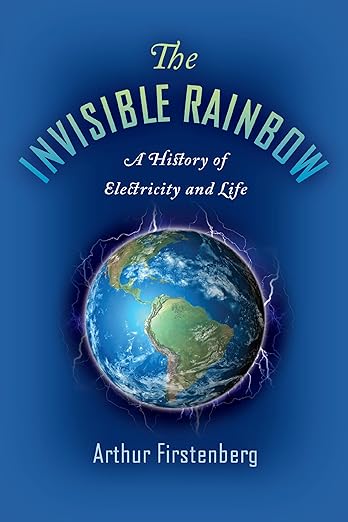
In "The Invisible Rainbow", Arthur Firstenberg presents the history of electricity and how its development affected human health.
Combining historical data and scientific research, the book argues that electromagnetic radiation has had an impact on our biology since its beginnings. It is a provocative look that invites the reader to view technology with critical thought.

Dr. Samuel Milham presents his research on "dirty electricity" and how widespread electrification has contributed to diseases of modern civilization.
The book is the result of decades of research and highlights the need for a better understanding of electromagnetic pollution to protect public health.

Dr. Joseph Mercola reveals the hidden harms caused by 5G, Wi-Fi, and cell phones, while providing protection guidelines.
It combines scientific data with practical measures that can be implemented immediately, making the book an important tool for reducing exposure to electromagnetic radiation.

Brandon LaGreca focuses on the connection between electromagnetic radiation and cancer, providing scientific data and practical ways to protect yourself.
With a combination of research and personal experience, it provides clear steps for reducing exposure, suitable for both experts and the general public.
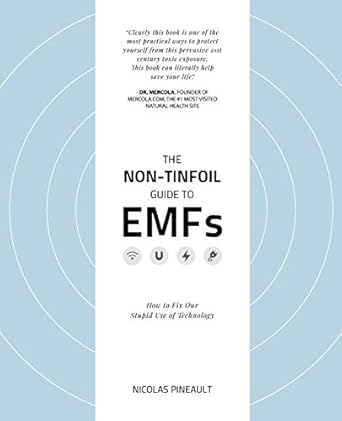
With humor and clarity, Nicolas Pineault debunks myths about EMFs and explains how to use technology safely.
It includes solutions that can be implemented immediately to reduce risks without drastically changing our daily lives.
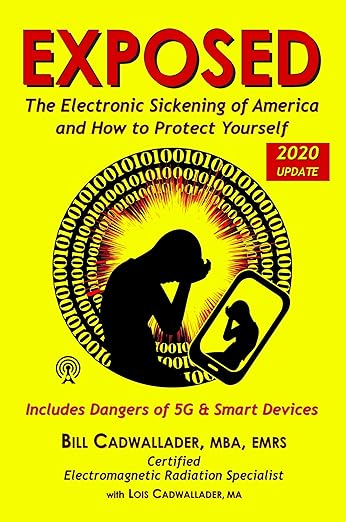
Bill Cadwallader reveals the reality behind electromagnetic pollution in America, warning about the dangers of 5G and "smart" devices.
It contains practical advice and strategies to reduce exposure at home and at work, with the aim of protecting our health.
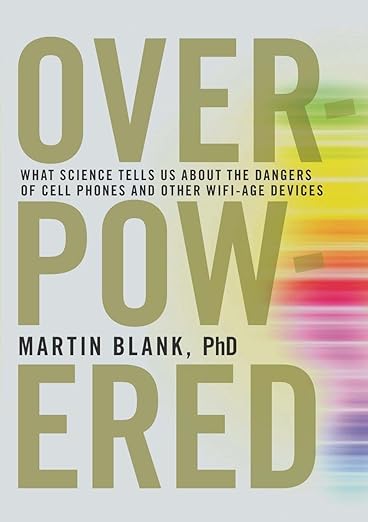
Dr. Martin Blank summarizes decades of research on the effects of electromagnetic radiation on humans, highlighting the serious potential impacts.
With scientific documentation and actionable advice, the book calls on the reader to protect themselves and their family.
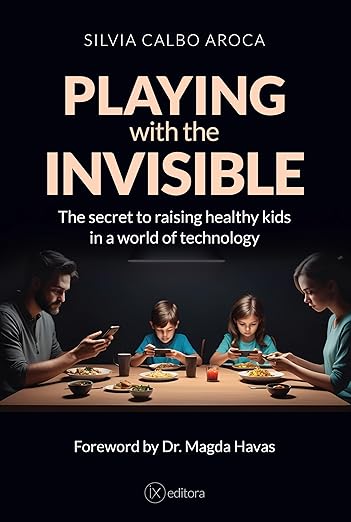
Liz Dzeng guides parents on how to raise children in a world full of technology, minimizing exposure to dangerous EMFs.
With practical examples and simple strategies, it shows how to achieve a balance between technology and health.
NUTRITION
We will repeat the cliché "food is medicine", because it really is true.
Every day we consume approximately 2 kilograms of solid food and 2-3 liters of fluids per day. Obviously, what we choose, what quality, how it is cooked/processed and in what quantity, affects our health.
Humans have evolved in different environments and can be healthy with a wide range of foods, as studies of indigenous populations have shown. These tribes apparently did not eat modern processed foods, while they knew how to supplement the deficiencies of their local environment.
The "bioenergetic diet" is a dietary model inspired by the ideas of Ray Peat, an American biologist, according to which good health depends on cellular metabolism and energy production (ATP) in mitochondria. It aims to support metabolism (sufficient calories/carbohydrates/sugars, saturated fats, a mix of protein sources with a balanced amino acid profile, foods high in vitamins and minerals) and reduce factors that suppress it (such as excessive polyunsaturated fatty acids/raw vegetables/whole grains, etc.).
The perception that increased carbohydrate intake automatically leads to high blood sugar or insulin resistance, just as increased cholesterol intake inevitably leads to high cholesterol or atherosclerosis, is a classic mental error, where correlation is confused with causation.
Although ketogenic diets do help lower blood sugar, they are not the ideal way to do it because we are not correcting the problem with carbohydrate metabolism, we are simply stopping using them. It is like having a phobia of dogs and having to choose between never seeing a dog again for the rest of our lives or overcoming our phobia.
Our diet should cover our needs to a large extent, without the need for support from synthetic vitamins and exotic supplements.
Ketogenic diets, low-calorie diets, vegetarian diets, and fasting may all have a place in a health program. However, their results depend on the duration and frequency of their implementation and on the metabolic status of each individual. We do not recommend them for people with low metabolism or poor gut function. We suggest that you do not be fooled by the short-term benefits of restrictive dietary practices and regularly review your health status, as many ketogenic/vegetarian diet gurus have done (e.g. Dr Mercola, author of keto diet best sellers, who recently made a 180-degree turn and became a supporter of a high-carb diet).
Bioenergetic nutrition
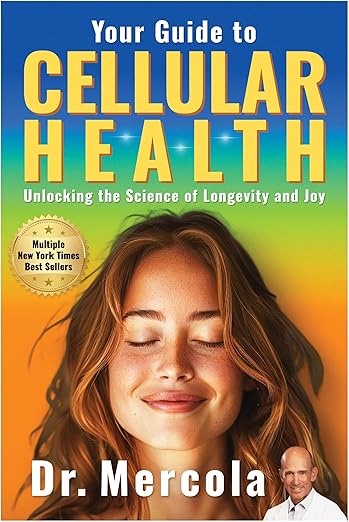
In "Your Guide to Cellular Health," Dr. Joseph Mercola explores the importance of cellular health as the foundation for longevity and everyday well-being. The author, known for his focus on prevention and holistic health, explains how our habits can enhance the renewal and function of our cells.
With scientific analysis and practical guidance, it presents ways to improve our diet, exercise and lifestyle to support our biological youth. The book is a complete guide for those who wish to live longer and better, utilizing the latest scientific data.
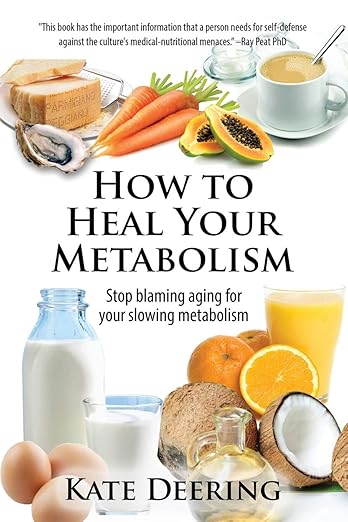
In "How to Heal Your Metabolism," Kate Deering challenges the common belief that age is the main cause of a decline in metabolism. Using research data and her experience as a coach and nutritionist, she reveals how diet, stress, and lifestyle affect our metabolic rate.
Provides practical and actionable strategies for restoring hormonal balance, increasing energy, and supporting a healthy body weight. A book ideal for those who want to gain control over their health and fully utilize their body's potential.
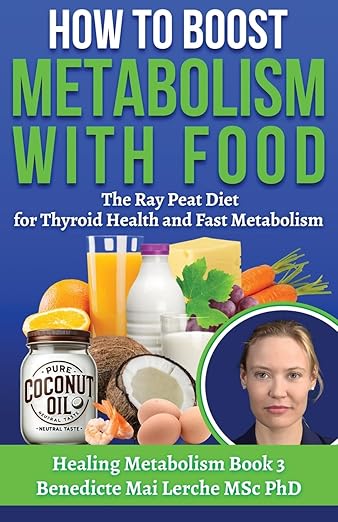
This guide presents the basic principles of Ray Peat's diet, focusing on improving thyroid health and boosting metabolism through specific dietary choices.
With practical recipes and nutritional advice, it guides the reader on how to choose foods that support hormonal health. A useful tool for restoring energy and well-being.
"The Sugar For Therapy Book" proposes an alternative view of sugar, arguing that it can be a therapeutic tool when used properly.
Based on the principles of Ray Peat, the book examines how proper sugar consumption can improve metabolic function, reduce fatigue, and support hormonal balance.

In this work, DanM argues that sugar, when properly incorporated into the diet, can contribute to maintaining a healthy weight and supporting metabolism.
With a focus on scientific data and practical guidance, the book attempts to dispel myths and inspire a more positive approach towards carbohydrates.
Billy Craig in "Consistent Eating" examines whether restrictive diets do more harm than good for both health and weight management.
With an emphasis on balanced and consistent food consumption, the book provides alternative methods for supporting metabolism and improving overall well-being.
"The Low Carb Myth" challenges the prevailing belief that carbohydrates are the main culprit for weight gain and health problems. The authors incorporate scientific data to demonstrate that balanced amounts of carbohydrates can contribute to optimal health.
With practical advice and nutritional strategies, they help the reader regain their energy and well-being while maintaining a sense of enjoyment in their diet. A work that calls for a redefinition of our nutritional choices.

Danny Roddy in "Hair Like a Fox" offers a different perspective on hair loss, based on a bioenergetic approach. He analyzes how thyroid health, nutrition, and hormones affect hair growth.
With practical advice and scientific references, the book provides solutions for enhancing hair growth and generally improving metabolic health.
Christopher Walker in "The Thermo Diet" presents a scientifically based eating pattern that supports fat loss, increased metabolism, and hormonal balance.
With an emphasis on foods that support hormonal health, the book provides a clear framework for long-term wellness and energy.
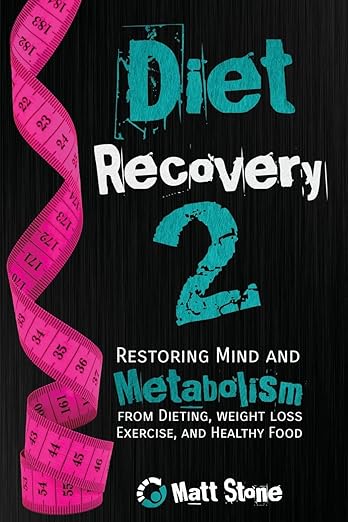
Matt Stone in "Diet Recovery 2" attempts to show that overly restrictive diets and obsessive exercise can harm metabolism and mental health.
It proposes a more relaxed and balanced way of eating and living, based on the body's biological needs, to maximize energy and health.
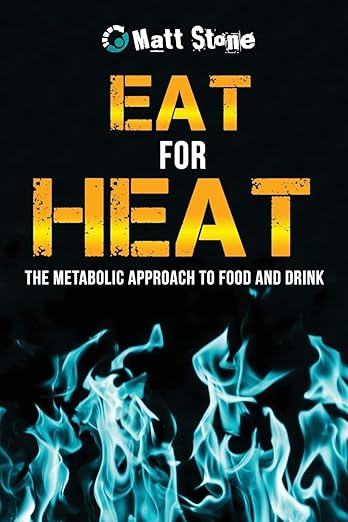
Matt Stone's "Eat for Heat" focuses on a metabolic approach to nutrition and fluids, with the goal of supporting thermogenesis and energy balance.
By emphasizing meal composition and fluid intake, it provides useful strategies for improving metabolism and overall well-being.
Traditional diet
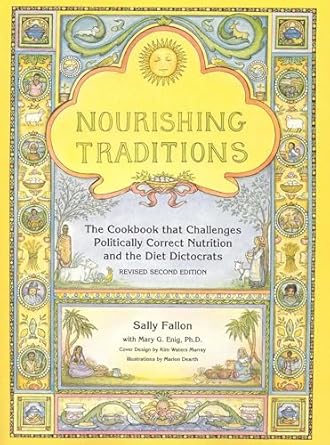
"Nourishing Traditions" is a unique cookbook that combines recipes with extensive scientific analysis of nutrition. Sally Fallon subverts "politically correct" nutrition and defends the value of traditional, nutritious foods.
It offers hundreds of recipes inspired by traditional cuisines, accompanied by research evidence on the value of good fats, fermented foods and a balanced diet. A work that inspires and teaches at the same time.
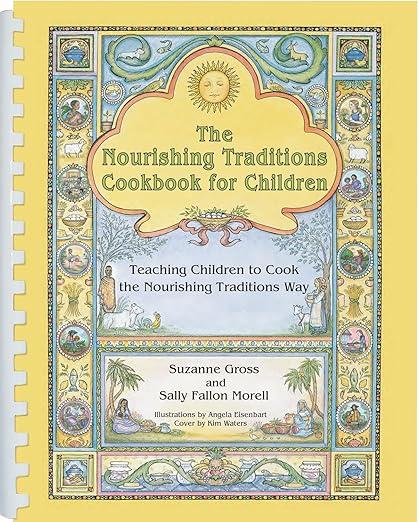
An educational and entertaining book that introduces children to the world of traditional cooking. The authors provide step-by-step guidance in creating healthy, nutritious dishes.
With pleasant illustrations and friendly language, the book cultivates nutritional education and promotes a love of cooking from an early age. A tool for parents and educators.

A complete guide to infant and child care, based on the principles of traditional nutrition. The authors integrate scientific data and practical advice for healthy development.
From breastfeeding and nutrition, to preventing and treating common ailments, this book is a valuable resource for new couples and healthcare professionals.
The Fourfold Path to Healing explores a holistic health system that combines nutrition, healing practices, movement, and meditation. The authors analyze how these four pillars work together for optimal health.
With practical instructions and exercises, the book functions as a manual for personal renewal and balance, inspired by anthroposophical medicine.
Dr. Catherine Shanahan presents how traditional diets shape our health and well-being through genetic expression.
With evidence from various cultures, it shows how diet influences genetic health, longevity, and the prevention of chronic disease, offering practical ways to incorporate these principles into modern life.
In "Dark Calories," James DiNicolantonio examines the role of vegetable oils in deteriorating health, linking them to chronic disease and inflammation. The author, known for his research on nutrition and cardiology, draws on a wealth of scientific data.
Presenting ways to reduce or replace harmful oils with healthier options, it explains how specific fats can contribute to the prevention and restoration of health. A book that calls for a change in dietary habits.
Dr. William Campbell Douglas defends the beneficial properties of raw milk in "The Raw Truth About Milk." He draws on history and science to show how pasteurization changes the nutritional value of milk.
With medical experience and in-depth research, he argues that raw milk can contribute to immune and digestive health. A provocative work that invites the reader to reconsider what they take for granted about nutrition.
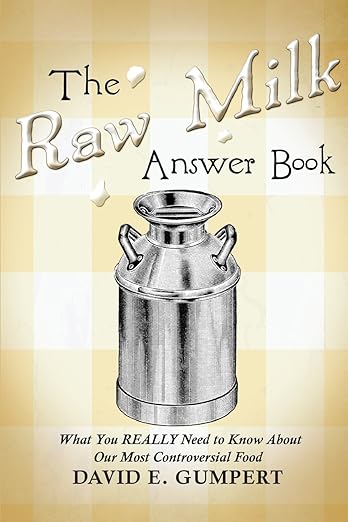
David E. Gumpert, in "Raw Milk," examines the history and politics surrounding raw milk. He combines documented research and narratives to show how the controversy surrounding its consumption has affected access to this food.
The book balances the scientific evidence on the potential benefits and risks of raw milk with the social dimension of the issue.

In "The Untold Story of Milk," Dr. Ron Schmid presents the complete history of milk, from traditional animal husbandry to industrialization and changes in modern production.
Analyzes the nutritional, historical and political significance of raw milk, highlighting its value for health and our cultural heritage. An analytical work full of historical evidence and scientific references.
Complete nutrition
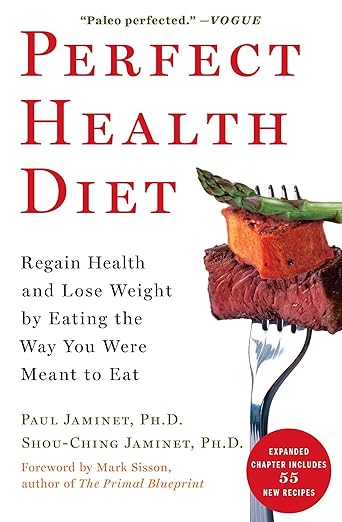
The "Perfect Health Diet" presents a complete nutritional framework that supports ideal health and well-being, based on anthropological studies and modern science. Paul and Shou-Ching Jaminet propose a way of eating that reproduces the conditions under which humans evolved.
With an emphasis on consuming whole, natural foods, the correct proportions of macronutrients, and avoiding industrial products, the book is a comprehensive roadmap for restoring health, preventing disease, and maintaining a healthy body weight.
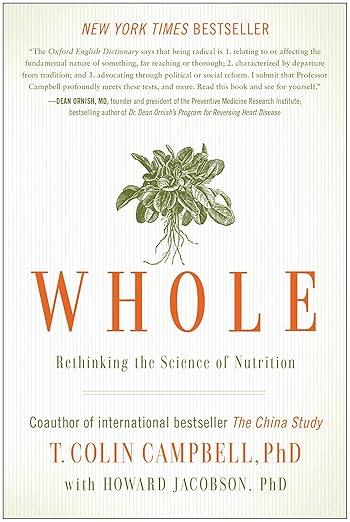
T. Colin Campbell, a pioneer in plant-based nutrition research, invites readers to take a holistic approach to health in "Whole." He challenges science's tendency to focus on individual nutrients, suggesting that the power lies in their combination within whole foods.
Based on decades of research, the author explains why adopting a diet rich in plant foods can enhance health, reduce the risk of chronic disease, and increase longevity.
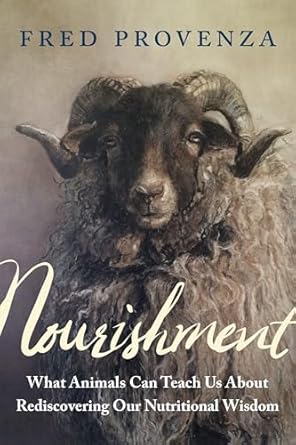
Fred Provenza, with many years of experience studying animal feeding behavior, in "Nourishment" explores the wisdom of nature and how it can help us rediscover our innate nutritional guidance. With stories from the field and scientific explanations, he shows that all animals, including humans, have innate food selection mechanisms that optimize their health.
The book inspires the reader to reconnect with their senses and redefine their relationship with food, away from dietary fads and commercial influences.
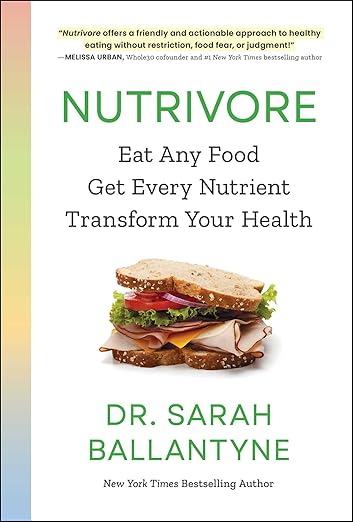
Sarah Ballantyne, a renowned author and nutrition scientist, presents in "Nutrivore" a radical new approach to meeting our nutritional needs. It focuses on consuming nutrient-dense foods, rather than simply counting calories or macronutrients.
Based on modern scientific data, the book offers practical guides, food lists and strategies to increase our intake of vitamins, minerals and antioxidants. "Nutrivore" does not recommend a restrictive diet, but a lifestyle that maximizes our nutritional choices, improving our health and well-being.
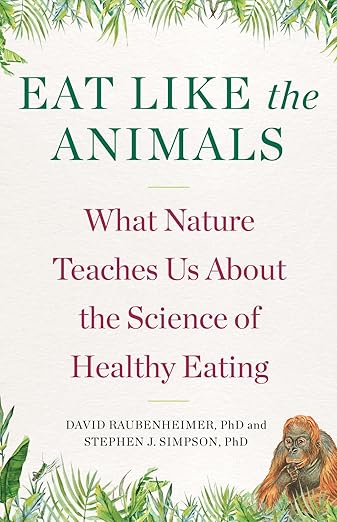
In "Eat Like The Animals," David Raubenheimer and Stephen J. Simpson share their groundbreaking research into animal eating behavior and how it teaches us valuable lessons about human nutrition. Through field research around the world and scientific analysis, they reveal that all species seek balance in their nutrients.
The book shows how the same principles can be applied to our own lives to improve health, control weight, and increase longevity. It's a fascinating connection between biology and our everyday choices, encouraging us to eat as nature intended.
Cyclic diet
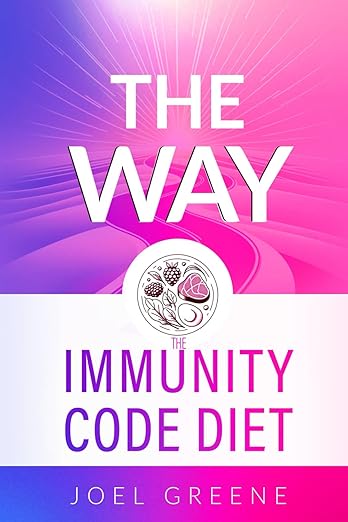
In "The Way - The Immunity Code Diet v3", Joel Greene presents an updated version of his nutritional protocol that focuses on immune-centered health and anti-aging. The book is a guide to "re-training" our bodies to function at their best, improving defenses and cellular renewal.
By combining the latest scientific data and practical nutritional strategies, the author guides the reader step-by-step in techniques for activating metabolism, balancing hormones, and maximizing energy efficiency. Ideal for those who want to optimize their health in a scientifically proven way.
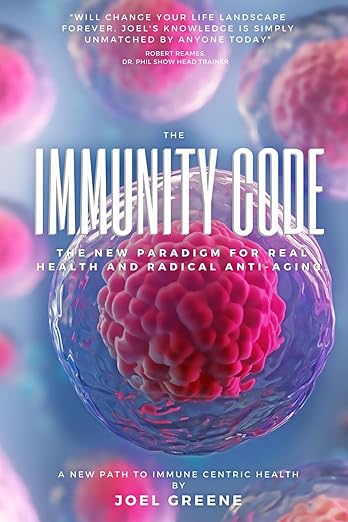
Joel Greene's "The Immunity Code" introduces a whole new perspective on health, placing the immune system at the center of long-term wellness and anti-aging. Based on cutting-edge research, he explains how targeted immune boosting can slow the aging process and protect against chronic disease.
Describing the complex interactions between diet, microbiome, and immune function, and providing practical protocols for optimizing health, this book is a cutting-edge guide for those who want to enhance their vitality and extend their lifespan in natural, evidence-based ways.
Ketogenic diet problems
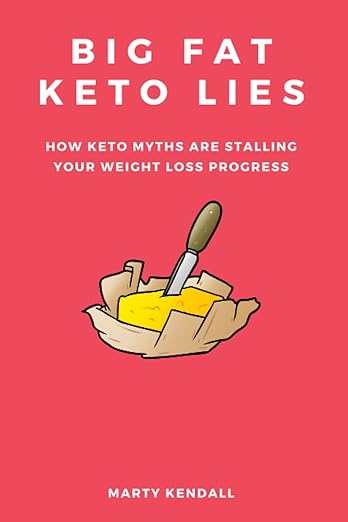
In "Big Fat Keto Lies," Marty Kendall debunks and debunks the most common misconceptions about the ketogenic diet, showing how they can hinder weight loss and health progress. Drawing on extensive data and personal experience, the author guides the reader beyond the stereotypes and oversimplifications that often dominate the nutrition world.
With an emphasis on personalization and a scientific approach, the book provides practical advice for achieving sustainable fat loss, boosting metabolism, and improving energy balance. Kendall's writing is clear and accessible, making the book valuable for both beginners and experienced ketogenic dieters who want to move beyond the myths.
Problems of a fully vegetarian diet
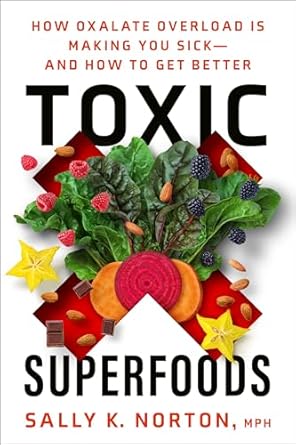
In "Toxic Superfoods," Sally K. Norton illuminates a little-known aspect of nutrition: the overload of oxalates in the body, even from seemingly healthy foods. With scientific evidence, she shows how these small molecules can contribute to chronic pain, fatigue, and other health problems.
Provides practical guidance for reducing oxalate consumption and relieving symptoms, as well as nutritional strategies for restoring health. A revealing book that challenges the reader to reconsider their relationship with "superfoods."

Konstantin Monastyrsky, in "Fiber Menace," challenges the commonly accepted role of fiber as an essential component of a healthy diet. Through scientific analysis, he argues that excessive consumption of fiber can cause or worsen digestive problems.
Offering alternative nutritional approaches and practical advice for addressing issues such as constipation, irritable bowel syndrome, and inflammatory diseases, this bold book challenges conventional nutritional wisdom and challenges the reader to think critically.
Problems with supplements
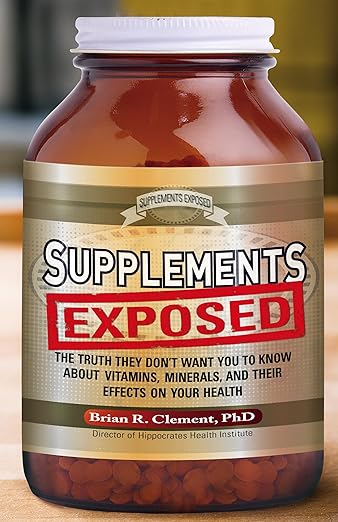
"Supplements Exposed" by Brian R. Clement exposes the hidden side of the dietary supplement industry. The author, with years of experience in health and wellness, presents evidence that many supplements may not only not provide the benefits they promise, but may actually be harmful.
With evidence-based analysis and practical advice, it guides the reader on how to choose safe and effective supplements, while emphasizing the value of a balanced diet as the true foundation of health. A book that encourages critical thinking and informed decision-making.
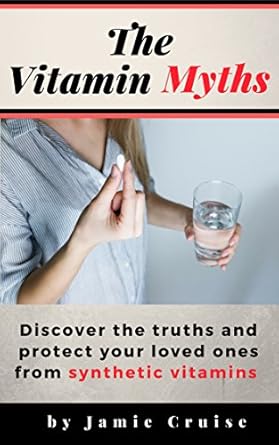
Jamie Cruise, in "The Vitamin Myths", challenges the prevailing view about the benefits of synthetic vitamins, revealing potential health risks. Through scientific documentation, he argues that excessive use or the wrong choice of vitamins can lead to adverse effects.
Beyond criticism, the book suggests natural sources of nutrients and ways to enhance health through quality nutrition. A useful tool for those who want to protect their family from unnecessary risks.
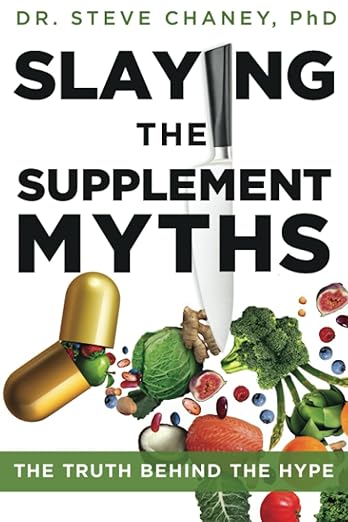
In "Slaying The Supplement Myths," Dr. Steve Chaney puts common myths surrounding dietary supplements under the microscope. With scientific rigor, he reveals which practices are safe and which products have no scientific support.
The goal of the book is to educate the consumer to make informed choices, avoiding wasted money and potential health risks. It also provides guidance on evaluating the quality and effectiveness of a supplement.
Diet miscellaneous
In "How Not to Die," Michael Greger, MD and founder of NutritionFacts.org, examines the leading causes of death and shows how diet and lifestyle can help prevent and reverse many chronic diseases.
Based on scientific evidence, Greger offers specific nutritional recommendations and practical strategies for improving health. The book is a comprehensive guide for those who want to live longer and better, emphasizing the power of a plant-based diet.
"The Mineral Fix" examines the critical role of minerals in human health and how their deficiency or imbalance can affect our energy, endurance, immunity, and sleep. Authors Dr. James DiNicolantonio and Siim Land combine scientific research with practical solutions.
The book provides instructions for correctly determining and meeting the needs for essential minerals, through diet and supplements, with the aim of achieving longevity and a superior quality of life.
In "Epi-paleo Rx", Dr. Jack Kruse presents a nutritional and therapeutic protocol based on the principles of the Paleolithic diet, adapted to modern health needs.
With an emphasis on neurological and metabolic health, the book combines nutrition, lifestyle, and environmental factors to prevent and reverse chronic diseases. A work aimed at those who want to optimize their health by utilizing modern science and ancestral wisdom.
HEALTH APPROACHES
Modern pharmaceutical medicine faces serious problems that concern both its philosophy and its operation.
The prevailing perception that the body constantly needs medication to remain healthy ignores its ability to heal itself and maintain balance through natural mechanisms, proper nutrition, rest, and stress reduction.
At the same time, the cost of medical care has reached enormous levels, with pharmaceutical costs dominating and insurance funds covering almost exclusively medications and not alternative / mild / preventive health methods.
The result is a system that focuses on treating symptoms with chemicals and/or unnecessary surgeries, instead of enhancing the actual health and resilience of the body, while also financially burdening the citizen and the state.
Studies in natural and alternative therapies often encounter serious difficulties. Unlike pharmaceuticals, natural methods cannot be "patented," which significantly limits interest and funding from large pharmaceutical companies. In addition, the complexity and personalized nature of many natural therapies make it difficult to design standardized, blinded, and controlled studies, while the requirements for large clinical trials increase the costs beyond the available means of independent researchers. The result is that many promising, safe, and effective approaches remain undervalued and scientifically supported with only limited data.
Below you can learn about a multitude of approaches to achieving health and see that there are many alternatives to the dead ends of conventional medicine.
Evolutionary Anthropology / Evolutionary Medicine
Evolutionary Anthropology, which studies how the evolution of the human body and lifestyle affects health, and Evolutionary Medicine, which examines how evolutionary processes (natural selection, adaptation, environmental discord) explain the origin of diseases, are key scientific fields for understanding diseases and their treatment. However, they are ignored by most health professionals.
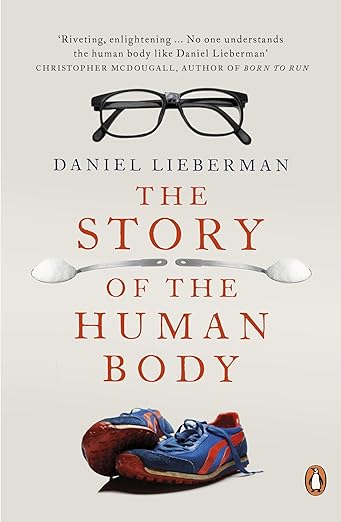
"The Story of the Human Body" by Daniel E. Lieberman is a fascinating exploration of the evolution of the human body and how our past influences our health today. The author, a distinguished biological anthropologist at Harvard, analyzes how the adaptations that helped us survive in prehistoric societies often conflict with the conditions of modern life, leading to diseases of civilization such as obesity and type 2 diabetes.
Through vivid descriptions and examples from paleoanthropology, Lieberman presents the fascinating story of our evolution, from our hunter-gatherer ancestors to modern humans. At the same time, he explains how we can apply this knowledge to prevent chronic diseases and improve our well-being. A work that combines scientific documentation and storytelling, ideal for those who want to understand the "biological map" of their health.

Why We Get Sick brings to the fore the concept of "Darwinian Medicine" – that is, how the evolution of our biology shapes the causes of disease. The legendary Randolph M. Nesse and George C. Williams analyze how emotions such as pain, fever, and discomfort are not just symptoms but ancient adaptations that, in the modern environment, work against us.
With a practical yet theoretical style, the book examines why modern life – with its constant heating, artificial light, superfoods and lack of physical activity – can “confound” the body that evolved for other environments. The reading becomes particularly impressive when it connects scientific data with everyday experiences and explains why many diseases of our time are the result of “out of place” adaptations.
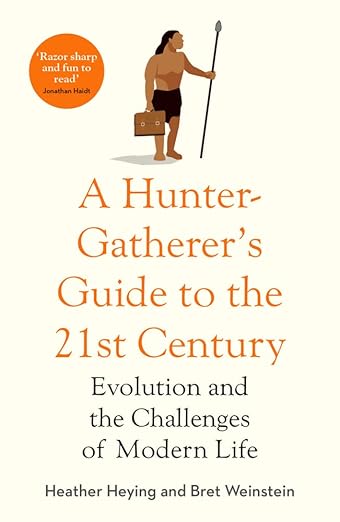
"A Hunter-Gatherer's Guide to the 21st Century" by Heather Heying and Bret Weinstein combines evolutionary science with social and cultural critique. The authors, experienced evolutionary biologists, explore why our modern society, despite technological advances, is plagued with problems like anxiety, depression, and isolation—because our anthropological background is not aligned with ultramodern life.
With bright writing and provocative ideas, the book invites the reader to reconsider "normal" habits: sleep, nutrition, social contact, sexuality. It offers practical suggestions and analyses on how we could live better by bringing our bodies and minds more "in sync" with our roots. Their union as a team and as a thought gives the work a strong sense of innovation and analysis.
Energy and electromagnetic therapies
Electrotherapy or electromagnetic therapies, also known as energy therapies, is a rapidly growing field based on understanding the bioelectric nature of the human body. Researchers and clinicians such as James Oschman (Energy Medicine: The Scientific Basis) and Jerry Tennant (Healing is Voltage) have shown that tissue health and regeneration depend on the electrical voltage and energy balance of the body.
In practice, hospitals, physical therapists and alternative therapists utilize machines that generate pulsed electromagnetic fields (PEMF), electrical nerve stimulation (TENS) and other technologies to treat everything from simple musculoskeletal problems to serious degenerative diseases. It is no coincidence that as early as the 19th century, thousands of doctors in the U.S. were applying such therapies, before the pharmaceutical industry took over and pushed them aside. Today, with scientific evidence accumulating and effectiveness comparing favorably with conventional approaches, electromagnetic therapies are dynamically returning to the forefront, underlining how crucial the bioelectric dimension of human health is.
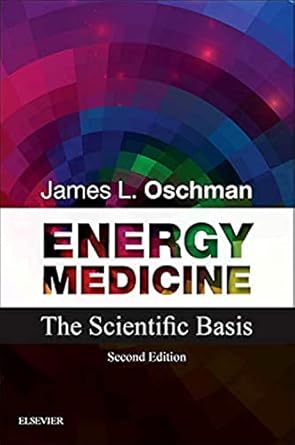
"Energy Medicine: The Scientific Basis" by James L. Oschman is a landmark work that bridges the gap between traditional science and energy medicine. The author, a biophysicist with many years of research experience, presents documented scientific evidence on how the body's energy fields affect health and recovery. He describes mechanisms of cellular communication, the role of collagen as an energy conductor, and the effects of therapies such as Reiki and therapeutic touch.
Through clear writing and extensive research references, Oschman demonstrates how energy therapies can complement conventional medicine. The book inspires health professionals and healers to see medicine from a broader perspective, encouraging new ways of approaching healing. A must-read for anyone who wants to understand the science behind the energy of life.
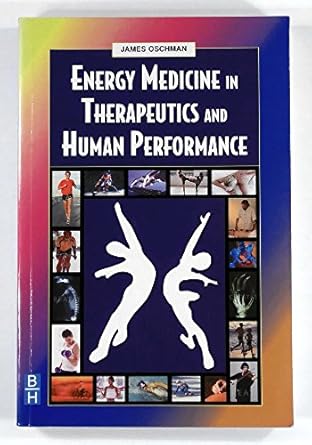
"Energy Medicine in Therapeutics and Human Performance" continues the work of James L. Oschman, focusing on the application of energy medicine to athletic performance, rehabilitation, and general health. The author deepens his understanding of the human body as a network of energy circuits that can be optimized for maximum wellness and performance. He presents how therapies that harmonize energy fields can contribute to both recovery and injury prevention.
With examples from the world of sports and clinical practice, the book reveals the potential of energy methods to support the body's self-healing mechanisms. This is an important manual for physical therapists, coaches and health professionals interested in incorporating bioenergetic knowledge into their programs.
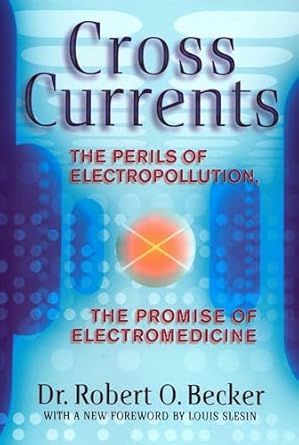
In "Cross Currents," Robert O. Becker, a pioneer in bioelectrical research, explores the controversial but critical relationship between electromagnetic pollution and human health. Drawing on decades of study, he explains the mechanisms by which electromagnetic fields affect our body's bioelectrical patterns, causing potential health problems.
At the same time, it presents the promising applications of electromedicine in tissue repair and injury healing. With intense scientific and social reflection, the book calls for greater awareness and responsibility towards this invisible form of pollution, while paving the way for new therapeutic possibilities.
"Healing is Voltage: The Handbook" by Dr. Jerry L. Tennant presents his theory on the role of electrical voltage in healing the body. According to the author, health depends on the ability of cells to maintain the correct electrical charge, which allows for tissue renewal and repair. The book includes detailed explanations based on clinical experience and scientific research.
Dr. Tennant connects cellular bioenergy with nutrition, detoxification, and natural therapies, providing a practical framework for applying his principles to everyday life. With simple language and clear examples, he offers a manual aimed at restoring health at the cellular level.
In "Healing is Voltage: Healing Eye Diseases," Dr. Jerry L. Tennant applies his scientific theory of the electrical voltage of health, specifically to eye diseases. He examines how imbalances in cellular energy and nutrient deficiencies can lead to degenerative eye diseases. Through detailed explanations, he analyzes the role of nutrition, supplements, and detoxification in improving vision.
Tennant shares clinical cases and practical protocols that have improved his patients' eye health, offering hope in situations where conventional medicine has limitations. The book is a specialist guide for those seeking alternative and scientifically based solutions to eye problems.
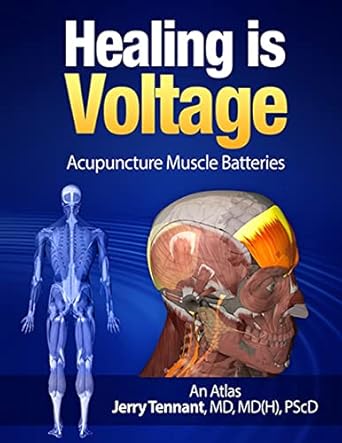
"Healing is Voltage: Acupuncture Muscle Batteries: An Atlas" is a practical and visual guide by Dr. Jerry L. Tennant that connects traditional Chinese medicine with modern knowledge of bioelectricity. The author maps the muscles and their corresponding meridians, explaining how energy flows through them and how balance can be restored.
Rich in diagrams and detailed descriptions, the book offers a new approach to the application of acupuncture theory. It is ideal for therapists, physiotherapists and doctors who wish to incorporate the concept of the "cellular battery" into their clinical practice.
"Optimum Health Naturally" by Dr. David Hartz reveals a comprehensive plan for achieving optimal health through advanced, yet natural and alternative approaches. The author, with many years of experience in holistic health care, presents practical solutions for managing chronic conditions without relying on medication.
Through his knowledge of functional medicine and the use of personalized protocols, Dr. Hartz guides the reader in ways to strengthen the immune system, detoxify, and restore hormonal balance. A book that inspires the adoption of a life of true, sustainable wellness.
Journalist Sally Adee's "We Are Electric" unfolds the remarkable story of the discovery of our body's bioelectrical code. Through two centuries of scientific research, the author leads us through the evolution of knowledge about how electrical processes shape the health, development, and function of the brain and organs.
With a compelling narrative style, Adee predicts how understanding and harnessing our bioelectrical system could lead to revolutionary treatments of the future – from tissue regeneration to the treatment of chronic diseases. A book that combines scientific rigor with journalistic vivacity.
"Healthy Medicine" by Dr. Robert Zieve presents a holistic health philosophy that combines conventional medicine with alternative therapies. The author, with many years of clinical experience, highlights the importance of empathy, spirituality, and physical care in restoring health. Through real patient examples, he reveals how an individualized approach can transform the course of treatment.
Zieve suggests practical steps to enhance self-healing, including nutrition, exercise, and emotional balance. The book is a guide to inner and physical renewal for those seeking a more natural and conscious life, full of meaning and well-being.
"Earthing" introduces the revolutionary concept of grounding as a means of improving human health. Clint Ober, Dr. Stephen T. Sinatra, and Martin Zucker explain how simply touching the body with the earth can reduce inflammation, improve sleep, and enhance overall well-being. Their theory is based on scientific research showing that the earth provides electrons capable of restoring the body's electrical balance.
With practical application instructions and personal stories of people who have seen dramatic improvements in their health, the book inspires a return to a more natural lifestyle. A work that combines scientific evidence and simple daily practice for those who want to discover the hidden benefits of grounding.
Oxidative therapies
Oxidative therapies, such as ozone therapy, exercise-induced oxygen therapy (EWOT), or the administration of hydrogen peroxide under controlled conditions, are based on the principle that the controlled production of oxidative agents can stimulate the body's defense mechanisms. They have been studied for their ability to neutralize microorganisms, improve tissue oxygenation, and contribute to cases of chronic pain or inflammation, such as back problems.
Nathaniel Altman's "The New Oxygen Prescription" introduces the world of oxidative therapies, focusing on the role of oxygen as a fundamental element for optimal body function. The author examines how techniques such as hydrogen peroxide therapy, ozone therapy, and hyperbaric oxygen therapy can help boost the immune system and fight disease.
With strong scientific evidence and practical guidance, Altman explains how these therapies can be integrated into a preventive and curative health plan. The book is aimed at both healthcare professionals and readers seeking to understand how oxygen adequacy can support vitality and longevity.
In "Flood Your Body With Oxygen," Ed and Leeda McCabe explore how oxygen therapy can act as a powerful counterbalance to the effects of pollution and modern lifestyles. The book delves into techniques for increasing oxygen intake, restoring biochemical balance, and promoting cellular renewal.
The authors, with decades of experience in researching and promoting oxygen therapy methods, provide application examples, safe use guidelines, and references to clinical studies. The book inspires the reader to see oxygen not simply as an element of breathing, but as an essential tool for achieving and maintaining health.
In "The Ozone Miracle," Dr. Frank Shallenberger presents the power of ozone as a therapeutic agent. With many years of experience in medicine, he explains how ozone therapy can help activate the immune system, relieve chronic inflammation, and prevent degenerative diseases.
The book combines scientific evidence, clinical studies, and practical protocols for those who want to incorporate ozone therapy into their daily lives. Shallenberger also offers instructions for safe use and adaptation to individual needs, making the book a complete guide to health through oxygen.
In "Heal Yourself With Ozone," Paula Horan provides practical advice on harnessing the healing power of ozone. The author explains in simple, understandable terms how ozone can be incorporated into detoxification, nutrient replacement, and immune-boosting programs.
The book includes step-by-step instructions for different ways to apply ozone therapy, making it suitable even for non-professionals. It focuses on safe use and encourages awareness of the importance of oxygen therapy in the prevention and treatment of many common conditions.
Caroline Carter's "Ten Pass Ozone Therapy" analyzes the method of hyper-intensive ozone therapy known as "Ten Pass". Through her experience in clinical practice, the author presents how this technique can provide solutions in cases of serious and chronic diseases, when classical medicine does not offer effective options.
With a scientific approach and recording of real cases, it shows how this treatment enhances microcirculation, increases energy production in cells and accelerates recovery. The book is a valuable guide for professionals and patients looking for alternative solutions.
"Hydrogen Peroxide - Medical Miracle" by Dr. William Campbell Douglass II highlights hydrogen peroxide as a simple yet extremely powerful health tool. The author examines its antibacterial, antiviral, and detoxifying properties, explaining how it can be safely used in a variety of applications, from immune boosting to sterilization.
The book includes clinical examples, dosage instructions, and explanations of the mechanism of action of H₂O₂ in the body. With understandable scientific documentation, it offers the reader the knowledge to integrate this powerful but often overlooked tool into everyday health care.
"The Essentials: CDS Protocol Guide" by Andreas Kalcker is a comprehensive guide to the use of Chlorine Dioxide Solution (CDS) in various treatment protocols. The author, known for his research and alternative approaches to health, presents the correct preparation and application procedures, accompanied by warnings for safe use.
Through clear chapters and practical instructions, the book allows the reader to apply the protocols with precision, while also including cases of patients who have seen positive changes. It is a valuable tool for those exploring unconventional therapies and interested in the role of CDS in health support.
Various alternative approaches
In "Unconventional Medicine," Chris Kresser proposes a new model of medicine that focuses on prevention, personalized care, and addressing the root causes of disease. Drawing on his experience as a clinical health professional and researcher, Kresser promotes the integration of functional medicine, paleo nutrition, and personalized interventions to restore health.
The book provides practical strategies for reorganizing the health system, aiming to combat chronic diseases and enhance quality of life. It focuses on regaining the basic principles of wellness, basing medicine on scientifically documented but often neglected practices.
Mike Cavalli's "Reversing Disease Naturally" examines how diet, natural remedies, and lifestyle changes can reverse the course of many chronic conditions. The author draws inspiration from traditional medicine, herbal medicine, and new scientific research to create a holistic plan for restoring health.
Through understandable explanations and patient examples, Cavalli guides the reader on how to listen to their body and support its natural self-healing mechanisms. A book that aspires to inspire the active participation of the individual in the healing process.
"Natural Medicine 101" by Dr. Jeffrey Dach is a comprehensive guide that introduces the reader to the fundamentals of natural medicine. The author explains how diet, herbs, supplements, and non-pharmaceutical interventions can help improve health and prevent disease.
With practical advice and clear explanations, the book is a valuable tool for those who want to incorporate more natural solutions into their daily lives. Ideal for beginners as well as advanced practitioners in the field of alternative medicine.
In "What Really Makes You Ill?", Dawn Lester and David Parker challenge traditional beliefs about the etiology of disease. Based on extensive research, they present evidence that most diseases are linked more to environmental factors, poor diet, and toxicity than to germs and viruses.
The book challenges the reader to reexamine the data and seek alternative ways of prevention and treatment. A bold approach that aims to inform and empower the individual as responsible for his or her health.
James Lilley's "The Healing Point" has been described as the "Swiss Army Knife" of health books, due to the wealth of topics and practical tools it offers. The author brings together knowledge from traditional and modern medicine, creating a multidimensional self-care guide.
With references to natural therapies, relaxation techniques, nutritional guidelines and mental strengthening methods, the book empowers the reader to improve their health at all levels. A work that combines theory and practice, adapted to the demands of everyday life.
In "Regenerate," Sayer Ji presents a new biological approach to understanding human health and how we can activate our innate resilience mechanisms. Drawing on recent scientific research, he reveals that our bodies have extraordinary regenerative capabilities that go beyond what modern medicine thought possible.
The author combines knowledge from nutrition, natural remedies, and epigenetics to teach readers how to support their well-being and longevity. The book serves as an inspiration for a more conscious and harmonious relationship with the body and nature.
Circadian rhythms
"Life Time" by Russell Foster, a distinguished neuroscientist and circadian rhythm expert, reveals the vital role our biological clock plays in our health and daily lives. The author explains how our internal rhythms affect energy, hormones, mood, and sleep, and how neglecting them can contribute to chronic disease.
Based on decades of research, Foster presents practical strategies for aligning our lifestyles with our bodies' natural cycles to enhance our well-being, productivity, and longevity. The book is a comprehensive guide to understanding and harnessing circadian science, combining scientific rigor with simple, accessible writing for the general public.
Problems of pharmaceutical medicine
Harris L. Coulter's "Divided Legacy: Volume I" is a fundamental volume in the tetralogy that analyzes the history of Western medical philosophy. The author approaches medicine as a field of conflict between two great systems of thought, Empiricism and Rationalism, starting with Hippocrates and reaching Paracelsus. This analysis presents medical discoveries not as random events but as the result of a long ideological and philosophical process.
With rich documentation and analytical language, Coulter reveals how ideological conflicts have shaped medical practices over the centuries. This work is a valuable tool for medical historians, students, and health professionals who want to understand the philosophical roots of modern medicine.
In "Undoctored," Dr. William Davis examines the structural problems of the modern health care system and suggests ways for everyone to take responsibility for their own health. Drawing on his experience as a cardiologist and author of the best-selling "Wheat Belly," Davis reveals how financial structures, overreliance on drugs, and a lack of prevention undermine our well-being.
The book provides a series of strategies that include dietary changes, biomarker monitoring, and adopting natural ways to improve health. It is a call for personal empowerment and liberation from passive dependence on the doctor or the system.

"The Pfizer Papers" is a comprehensive record and analysis of the practices of the pharmaceutical company Pfizer, with particular emphasis on controversial safety and ethics issues. The author compiles evidence, legal documents, and testimony that sheds light on allegations of misrepresentation, hidden data, and breach of public trust.
The book is intended for those interested in the pharmaceutical industry, transparency, and public health protection. It combines investigative journalism and critical analysis, giving the reader the tools to evaluate information and form an informed opinion.
"Medical Conspiracy in America" by Dr. Harvey Bigelsen examines the structural and systemic weaknesses of the medical industry in the United States, arguing that many decisions are made with profit in mind rather than actual patient care. The author shares experiences from his professional career, citing cases where traditional medicine failed to rise to the occasion.
Through revelations and critical insight, Bigelsen invites readers to question authority and become more active in advocating for their own health. This is a work that combines personal testimony and social commentary.
In "Lies My Gov't Told Me," Dr. Robert W. Malone, one of the pioneers of mRNA technology, presents his personal experience and critique of the way governments and institutions have handled public health crises. He analyzes the role of misinformation, censorship, and conflicts of interest in medicine and science.
The book inspires the reader to trust their critical thinking and seek the truth based on documented data, while also suggesting ways to shape a more transparent and democratic society.
In "Bad Pharma," Ben Goldacre exposes the pharmaceutical industry's unfair practices that lead to misleading both doctors and patients. Through research and data analysis, he demonstrates how the concealment of negative results, misleading studies, and aggressive drug promotion harm public health.
The author calls for a radical change in the system, demanding transparency and stricter controls, while giving the reader the tools to understand and protect themselves from misinformation.
In "How We Do Harm," Dr. Otis Webb Brawley, chief medical officer of the American Cancer Society, shares his candid view of how the practices and incentives of the American health care system harm patients. Together with Paul Goldberg, they analyze overdiagnosis, overtreatment, and the influence of financial interests in medical care.
The book is a call for a return to a medicine that focuses on quality, empathy and patient protection, away from the pursuit of profit.
In "The Rise and Fall of Modern Medicine," Dr. James Le Fanu describes how the 20th century brought impressive medical discoveries that radically improved people's health, but also how overreliance on technology and drugs led to regression. With narrative power, he presents ten "great" medical discoveries, as well as five significant failures of the modern health system.
Le Fanu emphasizes the need for a return to medicine based on clinical observation and the human being as a whole, moving away from blind faith in technology. The book is a balanced and well-written analysis that balances admiration for progress with critical thinking.
"Doctoring Data" by Dr. Malcolm Kendrick is a guide to spotting misinformation in the medical literature and media. The author explains how statistics and scientific studies can be presented in a way that misleads doctors and the public.
In a delightful and satirical style, Kendrick provides practical tools for distinguishing reliable information from the "noise" and encourages us to think critically about everything we read or hear in the health field.
In "Sickening," Dr. John Abramson reveals how the pharmaceutical industry's dominance of the American health care system has led to overuse of drugs, increased costs, and reduced quality of care. The author, with experience as a physician and consultant, presents specific examples and cases that substantiate his critique.
The book does not limit itself to documenting the problems, but proposes solutions for more equitable and effective medical care. It is a call for reform and transparency in the health sector.
In "Overdosed America," Dr. John Abramson shows how aggressive drug promotion and corporate influence over medical guidelines have shaped a health care system that doesn't work for patients. With in-depth analysis, he shows how pharmaceutical practices undermine objective science.
The book gives the reader the necessary knowledge to question widespread "truths" and take an active role in protecting their personal health.
In "Lies My Doctor Told Me," Dr. Ken D. Berry debunks common medical misconceptions that can negatively impact our health. Drawing on his personal experience as a physician, he explores myths about nutrition, disease prevention, and treatment, and explains how misinformation can lead to poor health decisions.
The book provides alternatives, based on current scientific evidence, so that readers can become more informed and make better personal choices for their own care.
Gary Null's "Death by Medicine" analyzes how medical practices and medical errors contribute to a significant number of deaths each year. Based on scientific research and statistics, the book shows that modern medicine, while necessary, can be dangerous when practiced without adequate controls and transparency.
The author proposes alternative approaches and encourages prevention as a key strategy for health protection. The work serves as both a warning and a call for reform in the field of medicine.
In "Lies I Taught in Medical School," Dr. Robert Lufkin shares his personal journey of rethinking what he learned and taught in medical school. He examines how financial pressures, old beliefs, and a narrow focus on symptoms instead of causes lead to poorer health outcomes.
With practical advice and suggestions for lifestyle changes, the book empowers the reader to take responsibility for their health, utilizing the latest developments in prevention and holistic care.
Stuart Ritchie's "Science Fictions" deals with the credibility crisis in science. The author describes how fraud, bias, negligence, and over-exaggeration undermine the search for truth and lead to misleading conclusions, which sometimes affect medical practice.
With examples from various scientific fields and suggestions for improving transparency and methodology, the book is a call for renewal and strengthening the credibility of research.
In "Blind Spots," Dr. Marty Makary exposes the unseen weaknesses and errors in the modern medical system, from misdiagnosis to wasted resources. He presents stories of patients and doctors to show how even good intentions can fail without proper information and management.
With the aim of improving the quality of care, Makary proposes measures for greater transparency, better communication and personalized medicine.
In "Bad Science," Ben Goldacre analyzes how poor research and questionable scientific data mislead the public and wrongly influence health policies. He focuses on the need for scientific literacy and critical thinking to evaluate the evidence.
With humor and documented examples, the author shows why it is critical to demand high-quality scientific research and transparency in medical information.
In "Death by Modern Medicine," Dr. Carolyn Dean documents the ways in which modern medicine can cause harm, from overprescribing to failed medical practices. With statistics and real-life cases, the book demonstrates the urgency of the need for change.
Dean doesn't just stop at criticism, but also provides suggestions for prevention, healthy living, and patient empowerment to reduce the risks of medical care.
"Poison Pills" reveals with realism and intensity the dramatic story behind the drug Vioxx, which was withdrawn from the market after significant evidence of increased cardiovascular risk. The author, who worked with lawyers in the scandal's court cases, offers access to internal Merck corporate communications and illuminates how "marketing" logic overshadowed scientific responsibility.
The book functions as a pharmaceutical industry "thriller" — it not only establishes the facts, but also raises critical questions about the relationship between research, regulation, and profit. It makes clear how patient safety can be sacrificed in the name of sales and image. If you are concerned about what goes on "behind the scenes" of the medical industry, this book is a must-read.
In "Politics in Healing," Daniel Haley explores a web of relationships between the American Medical Association, regulators, and the pharmaceutical industry in the United States. The book presents stories of medical "exceptions" that were supported by fringe therapeutic approaches — such as those of Harry Hoxsey and others — and raises the question of how free or controlled "medical innovation" is.
The author attempts a profound deconstruction of the mechanisms that keep "normal medicine" in a privileged position — highlighting how often a revolutionary idea or a different method is treated as a threat. The result is a book that claims to change the way we think about medical authority and freedom of choice in the health sector.

Vernon Coleman's "Why and How Doctors Kill More People Than Cancer" is thought-provoking: it argues that doctors and the medical system may now be responsible for more deaths than cancer — a shocking but sobering finding.
Coleman, a veteran physician and author of several books, reveals how overdiagnosis, excessive medical intervention, and a lack of transparency are contributing to a "silent" crisis in our health. The book is aimed at those who want to understand how the medical machine "works," who is at risk, and how everyone can take a responsible attitude towards their care.
"Overdiagnosed" is an important work for the modern medical world: the authors explore how overdiagnosis — that is, diagnosing problems that probably wouldn't harm the patient — can lead to unnecessary treatments, stress, and a burden on life.
Through examples, research, and clinical experiences, the book explains why sometimes less medicine is better and how the health care system can — despite its good — do harm. Welch, Schwartz, and Woloshin offer practical ideas for how patient and doctor can work together more effectively, aiming for meaningful health rather than just diagnosis.
HEALTH PROBLEMS
Every health problem is a total problem of the body and, in our opinion, should not be treated in isolation, as is the standard practice today.
However, a diagnosis from a health professional is a wake-up call for many to take their health seriously.
Many of the books below contain useful advice to avoid the common outcome of conventional treatments, which is worsening health or replacing one health problem with another.
Before you start using medications, hormones, supplements, herbs, and various therapies, we recommend that you check their effects and alternatives and do not unwisely accept the judgment of a health professional.
Try to understand the causes of the problem and correct your lifestyle (diet, exercise, stress), so as to give yourself the opportunity to overcome the problem on your own.
Cancer
In "The Cancer Resolution?", Mark Lintern examines cancer from a completely different perspective, challenging the traditional medical approach. By studying biological and environmental causes, he presents a model that focuses on understanding the underlying mechanisms of the disease, offering a new perspective on how to prevent and treat it.
The book combines clinical observations, scientific research and personal experiences, aiming to give the reader tools for more conscious health choices. A thought-provoking work that opens new avenues in the discussion about fighting cancer.
"When Oranges Become Apples" by Dr. Steve Rallis examines the role of intravenous vitamin C in cancer treatment. The author explains why this approach is not widely discussed and documents its potential benefits for quality of life and immune support with scientific studies.
With understandable language and references to real cases, the book invites patients to explore alternative treatments, integrating the best available options into their overall care.
"Mistletoe and the Emerging Future of Integrative Oncology" examines the use of mistletoe extract as a complementary treatment for cancer. Authors and researchers from the fields of oncology and natural medicine present studies and clinical applications that demonstrate how mistletoe can enhance immune function and improve patients' quality of life.
The book combines scientific documentation and empirical observations, offering a holistic guide for doctors and patients interested in integrating natural therapies into modern medical practice.
In "Cancer and the New Biology of Water," Dr. Thomas Cowan argues that understanding the unique structure and function of water within our bodies could radically change the approach to cancer prevention and treatment. He examines why the traditional "war on cancer" has failed and proposes a new, more fundamental biological perspective.
Based on scientific discoveries and empirical data, Cowan offers strategies that focus on restoring biological balance and water structure in cells. The book is thought-provoking and offers alternative paths to more effective care.
Clare Davidson's "Candida Cancer Connection" explores the link between Candida overgrowth and the onset or progression of cancer. The author highlights the role of a Western diet, stressors, and modern lifestyle in weakening the immune system.
With practical advice on nutrition, detoxification and strengthening the body's defenses, the book aims to inform and equip the reader with prevention tools. It is a guide that combines scientific documentation and applicable strategies.
In "Overcoming Cancer," Kazuko Tatsumura shares her philosophy and techniques for a holistic approach to treating cancer and other chronic illnesses. The author, with a long experience in traditional medicine and energy healing, integrates nutritional practices, self-healing, and spiritual empowerment.
With a combination of personal stories, clinical examples, and application instructions, the book motivates the reader to take an active role in their recovery and well-being.
Peter Vaupel's "Water-filtered Infrared A (wIRA) Irradiation" presents the research and clinical application of this infrared radiation technology. He explains how water-filtered infrared light can contribute to therapies aimed at improving circulation, relieving pain, and supporting tissue healing.
With a detailed presentation of scientific data and cases, the book is an essential guide for doctors, researchers and therapists who wish to incorporate this innovative method into their practice.
In "Cracking Cancer Toolkit," Dr. Jeffrey Dach shows how drugs developed for other conditions can be used to treat cancer. With an emphasis on scientific evidence and clinical experience, the author explores the potential of repurposing drugs as part of a comprehensive treatment strategy.
The book offers practical information for doctors and patients, giving examples of drugs, protocols and combination therapies that have shown promising results. Recently banned from AMAZON (why not?), if not available, search on the author's website
In "Cancer Treatments They Won't Tell You About," Dr. Amy Lee explores cancer treatments that are often not mentioned to patients within the context of conventional medicine. The author presents alternative and complementary approaches, accompanied by scientific studies and patient stories.
The book aims to inform and empower patients, so that they can actively participate in decisions about their treatment and explore all available options.
In "Cancer: The Metabolic Disease Unravelled," Mark Sloan explains the view that cancer is primarily a metabolic disease, not just genetic. Drawing on the theories of Otto Warburg, he presents strategies for enhancing cellular health and inhibiting the growth of cancer cells.
The book is accompanied by practical nutritional guidelines and lifestyle suggestions, offering the reader a different road map for prevention and treatment.
"Surviving Cancer, COVID-19, and Disease" examines how repurposing already approved drugs can provide solutions to a variety of serious diseases, including cancer and COVID-19. The authors combine scientific research with patient testimonials to demonstrate the effectiveness of this approach.
The book encourages exploration beyond conventional therapies, proposing a more flexible and innovative strategy in healthcare.
In "Sugar Does Not Feed Cancer," clinical nutritionist Nichole Andrews debunks the myth that sugar is a direct feeder of cancer. Drawing on nutritional science, she explains how a balanced diet, healthy physical activity, and a healthy lifestyle play a crucial role in prevention.
With advice and practical instructions, the book offers a positive perspective on health and encourages moving away from fearful and misconceptions about nutrition and cancer.
Alzheimer's
In "The End of Alzheimer's Program," Dr. Dale E. Bredesen presents a comprehensive, evidence-based protocol for preventing and reversing Alzheimer's disease. Drawing on decades of research into the neurodegenerative disease, he explains how personalized treatment that targets the root causes of cognitive impairment can yield remarkable results.
The book includes detailed instructions on diet, exercise, stress management, sleep, and supplements, aimed at enhancing brain function. Through examples of patients who have reversed or stabilized their condition, Dr. Bredesen demonstrates that early intervention and a multidimensional approach can change the course of the disease. A must-read for those seeking hope and practical solutions to Alzheimer's disease.
Metabolism and Thyroid Health
In "How I Overcame Hypothyroidism," Benedicte Mai Lerche draws inspiration from Dr. Ray Peat's principles for restoring metabolism and hormonal balance. Through her personal story of recovery, she reveals a detailed approach that combines nutrition, stress management, and hormonal support to treat hypothyroidism.
The book includes practical instructions and scientific explanations that help patients understand the roots of their illness and implement step-by-step strategies to restore their health. A valuable resource for those seeking alternative but evidence-based treatment methods.
In "Test Your Thyroid Function," Benedicte Mai Lerche provides a practical guide to early detection of hypothyroidism and monitoring your metabolic health. Based on the ideas of Dr. Ray Peat, she explains simple and effective ways to assess thyroid function at home.
With clear instructions, charts, and scientific explanations, this book empowers readers to take an active role in managing their health and identify potential problems before they become serious.
"Tired Thyroid" by Barbara S. Lougheed explores the complex journey from hyperthyroidism to hypothyroidism and, ultimately, recovery. The author breaks down the rule of TSH as the sole indicator of diagnosis and treatment, offering a more complete picture of thyroid health.
Combining personal experience and thorough research, the book helps patients recognize their body's real needs and demand correct diagnosis and treatment.
Dr. Kenneth Blanchard, in "Functional Approach to Hypothyroidism," combines traditional medicine with alternative therapies to restore thyroid function. He focuses on improving the patient's overall health, rather than focusing solely on hormone replacement.
With practical guidance and treatment examples, the book is a guide that promotes personalized care, taking into account the unique needs of each patient.
In "The Thyroid Debacle," Dr. Eric Balcavage and Dr. Kelly Halderman reveal why so many patients with hypothyroid symptoms find no relief despite medication. They examine the inadequacy of the current approach that focuses only on TSH tests, without considering the functioning of the body as a whole.
With scientific data and practical instructions, they propose a more holistic approach that includes nutrition, detoxification and mitochondrial support, with the goal of truly restoring health. The book is a guide for those who want to take an active role in their treatment.
"Solved: The Riddle of Illness" explores the link between thyroid dysfunction and many chronic health problems. Stephen E. Langer and James F. Scheer explain why so many patients remain undiagnosed or misdiagnosed and how properly assessing thyroid function can radically change their quality of life.
The book offers strategies for optimal diagnosis and treatment, while encouraging the reader to seek in-depth information and actively collaborate with their doctor.
"TAWKI: Thyroid As We Know It" is a guide written by patients for patients to improve thyroid health. Authors Elaine Damerau Swanson and Lisa Feist bring together experiences, research data, and practical advice to help readers gain a deeper understanding of their condition.
With a friendly and encouraging style, the book gives patients the tools to advocate for themselves and seek the best possible care, avoiding the common pitfalls of the standard medical approach.
In "Your Thyroid and How to Keep it Healthy," Dr. Barry Durrant-Peatfield, drawing on decades of clinical experience, explains how to spot the early signs of thyroid dysfunction and how to treat them effectively. He also highlights the pitfalls that often lead to misdiagnosis and mistreatment.
The book provides practical advice for prevention and recovery, focusing on proper nutrition, stress management, and individualization of hormonal treatment.
In "Patient-Focused Hypothyroidism Treatment," Dr. Donna G. Hurlock presents a carefully structured, clinically based approach to dosing for the treatment of hypothyroidism. The book emphasizes individualization of treatment rather than standardized regimens, leading to a better quality of life for patients.
With examples and guidance drawn from her many years of experience, Dr. Hurlock guides both patients and healthcare professionals in working together for optimal results, taking into account each individual's unique symptoms and needs.
Dr. Antonio C. Bianco, in "Rethinking Hypothyroidism," explains why the current treatment approach to hypothyroidism needs to change. He emphasizes the importance of understanding individual response to treatment and how general guidelines are not always effective for all patients.
With understandable language and scientific documentation, it proposes new strategies for improving outcomes and achieving true well-being, focusing on doctor-patient collaboration.
"The Thyroid Patient's Manual" is a practical guide by Paul Robinson for patients who want to transform their condition from a challenge to a story of successful management. The book covers all stages, from diagnosis to effective treatment, offering tools and techniques that have been proven to be successful.
With a focus on patient empowerment, Robinson helps with understanding testing, medication, and lifestyle management, with the goal of fully restoring health.
In "Be Your Own Thyroid Advocate," Rachel Hill shares her personal experience and gives advice on how patients can become their own health advocates. She explains how to effectively talk to doctors and seek appropriate treatments.
The book is a source of strength for all those who feel their voice is not heard in the medical system and want to take control of their treatment.
In "Impaired Sensitivity to Thyroid Hormone," Hugh A. Hamilton explains the complex condition of thyroid hormone resistance, which can be linked to a host of diseases such as heart disease, cancer, autoimmune diseases, depression, and more. He analyzes the pathophysiology and suggests ways to diagnose and treat it.
This work is particularly useful for healthcare professionals and patients seeking an in-depth understanding of a rare but underappreciated condition.
In "Hypothyroidism Type 2: The Epidemic," Dr. Mark Starr presents a different type of hypothyroidism that isn't always detected by conventional blood tests. He explains how this condition can be responsible for chronic symptoms of fatigue, pain, and low energy.
With scientific documentation and patient cases, it suggests strategies for diagnosis and treatment, emphasizing the correction of metabolism at the cellular level.
In "The Thyroid Hack," Dr. Ruben Valdes and Dr. Ryan Valencic gather the secrets, solutions, and shortcuts that can help thyroid patients regain their energy and well-being. The book offers practical guidance on diet, supplements, and lifestyle changes.
With an accessible tone and scientific support, the authors help the reader design a personalized path to recovery and restoration of health.
Cardiovascular problems
In "Human Heart, Cosmic Heart," Dr. Thomas Cowan overturns the traditional view of cardiovascular disease, proposing that the heart functions not simply as a pump, but as part of a complex, dynamic system directly related to the flow of vital energy and the balance of the body. Through his personal journey as a physician and researcher, the author explores radical theories about the physiology of the heart.
The book encourages a holistic view of cardiology, combining modern scientific discoveries with traditional knowledge. With practical advice for prevention and care, it is a source of inspiration for those who want to understand and protect their heart from a broader, more conscious perspective.
In "Heart Book," Dr. Jeffrey Dach offers a comprehensive guide to preventing and treating cardiovascular disease through proper nutrition, stress management, and incorporating natural remedies. The author focuses on the importance of prevention, explaining how small lifestyle changes can provide significant heart benefits.
With a solid scientific basis and practical suggestions, the book guides the reader to understand their cardiac health and take action to maintain it. It also includes patient examples and successful intervention strategies.
"Understanding the Heart" by Dr. Stephen Hussey offers a unique perspective on the evolution of the heart and the reasons why modern societies face increasing rates of heart disease. The author argues that the heart has evolved not only to pump blood, but also to function as a central hub of communication and coordination in the body.
With deep scientific analysis and practical guidance, Hussey helps the reader connect theory with practice, suggesting lifestyle changes to improve cardiac health through a more natural, evolutionarily adapted lifestyle.
In "How to Prevent Heart Attacks, Heart Failure, and Diabetes," Dr. Mark Starr explains how understanding the underlying causes of these diseases can lead to meaningful prevention. He focuses on metabolic dysfunction, inflammation, and the role of lifestyle in the development of cardiovascular disease and diabetes.
By providing practical and actionable steps, the author gives readers the tools to protect their hearts and improve their overall health. It is a prevention guide that combines modern medical knowledge with simple, everyday habits.
Cholesterol
In "The Great Cholesterol Myth, Revised and Expanded," Jonny Bowden and Dr. Stephen T. Sinatra challenge the popular belief that lowering cholesterol is the main path to preventing heart disease. They present scientific evidence that explains why cholesterol has been unfairly criticized and propose a comprehensive, statin-free strategy for heart health.
With a combination of research, clinical experience and practical advice, the book focuses on nutrition, stress management, physical exercise and other critical factors that contribute substantially to the prevention of cardiovascular disease.
"Ignore the Awkward!" by Dr. Uffe Ravnskov reveals how myths about cholesterol persist, despite clear scientific evidence to dispel them. The author explains the tactics by which misinformation continues to guide medical practice and public opinion.
With critical analysis of research and examples, Ravnskov invites readers to question "established" truths and seek knowledge based on irrefutable evidence.
In "The Clot Thickens," Dr. Malcolm Kendrick proposes a different approach to the etiology of heart disease, focusing on the role of blood clotting and clots as major factors. He directly challenges the classic cholesterol model and presents the historical and scientific course of his theory.
With references to numerous studies and clinical observations, the book opens new avenues of understanding, inviting doctors and patients to consider alternative avenues of prevention and treatment.
"Lipid Lunacy" challenges the link between dietary fat and heart disease, analyzing decades of research and showing that dietary guidelines were based on incomplete data. The authors present alternative explanations for the causes of cardiovascular disease, with an emphasis on inflammation and lifestyle factors.
Enriched with scientific references and critical evaluations of studies, this book guides the reader to a more correct understanding of cardiac health and the real risks.
In "The Great Cholesterol Con," Dr. Malcolm Kendrick explains why the theory linking cholesterol to heart disease is wrong. He presents the flaws in the clinical studies used to support it and offers a more logical and evidence-based explanation for the causes and prevention of cardiovascular disease.
Kendrick's work gives readers practical advice on protecting their hearts, encouraging them to rely on real data rather than nutritional myths.
Chronic diseases / Autoimmune
In "Chronic," Dr. Steven Phillips and Dana Parish explore the hidden world of chronic infections as a root cause of the autoimmune epidemic plaguing the modern world. Combining personal stories, scientific data, and clinical experience, the authors reveal how often-undiagnosed conditions, like Lyme disease, can be behind a multitude of autoimmune and chronic conditions.
The book does not limit itself to documenting the problem, but suggests practical treatments and recovery strategies. A groundbreaking work that offers hope to patients who have exhausted conventional treatments.
In "Toxic," Dr. Neil Nathan shares his knowledge and experience in restoring health from chronic environmental illnesses. He focuses on issues such as mold toxicity, Lyme disease, and multiple chemical sensitivity, offering a complete detoxification and healing protocol.
With detailed instructions, scientific explanations, and real patient stories, the book provides readers with the tools to identify and address the source of their chronic symptoms, even when all other treatments have failed.
Dr. JD Levy's "Hidden Epidemic" illuminates the largely unknown connection between silent oral infections and serious diseases like heart attack and breast cancer. Based on years of clinical experience and scientific research, it shows how infections that go unnoticed can undermine systemic health.
Levy offers detailed instructions for early diagnosis and treatment, as well as preventive suggestions that can prevent life-threatening complications. A book that calls for a review of the approach to oral and general health.
In "CFS Unravelled," Dan Neuffer examines the causes and recovery from Chronic Fatigue Syndrome (CFS) and Myalgic Encephalomyelitis (ME). Through his personal experience of recovery and extensive research, he offers a holistic model for understanding the illness.
The book emphasizes strategies for restoring health through physical, psychological, and nutritional interventions, encouraging readers to believe in full recovery even after years of illness.
In "Curing the Incurable," Dr. Thomas E. Levy explores the powerful therapeutic effects of vitamin C against a host of infectious diseases and toxins. He presents extensive research data and clinical studies that show how this simple vitamin can save lives.
With scientific clarity and empirical examples, Levy explains the mechanisms of action of vitamin C and suggests practical ways to apply it in the prevention and treatment of diseases, even those considered incurable.
Energy / Chronic Fatigue
In "Cu-RE Your Fatigue," Morley M. Robbins explores the critical role of copper, iron, and magnesium in energy management and overall health. The author presents the Root Cause Protocol, an approach designed to restore the body's mineral balance, improve mitochondrial function, and reduce chronic fatigue.
With scientific evidence and practical steps, Robbins guides readers to understand the root causes of exhaustion and implement simple, yet powerful nutritional and supplemental strategies to improve energy and overall well-being.
"From Fatigued to Fantastic!" by Dr. Jacob Teitelbaum is a comprehensive guide to managing Chronic Fatigue Syndrome and Fibromyalgia. The author, who has experienced the condition himself, shares a practical and scientifically proven recovery program based on the SHINE (Sleep, Hormones, Immunity, Nutrition, Exercise) protocol.
Teitelbaum's method integrates medical treatments, dietary changes, and ways to improve sleep and hormonal balance, offering sufferers a clear path to restoring their energy and quality of life.
In "Bursting with Energy," Dr. Frank Shallenberger reveals the causes behind low energy production in the body and how we can restore it. As an expert in anti-aging medicine and oxygen therapy, he suggests methods that enhance mitochondrial function, helping the body utilize oxygen more efficiently.
The book includes practical advice on nutrition, exercise, sleep, and the use of supplements, so readers can improve their daily energy and regain their vitality.
Lee Know's "Mitochondria and the Future of Medicine" examines the critical role of mitochondria in health and longevity. The author explains how improving mitochondrial function can positively impact a range of conditions, from heart disease to neurodegeneration.
With a combination of scientific analysis and practical guidance, the book offers strategies for supporting cellular energy through nutrition, exercise, and other interventions, preparing the reader for the future of medicine focused on cellular health.
IMMUNE SYSTEM
The immune system is our natural shield against germs, viruses and parasites and is the central factor in maintaining overall health.
Its effective function depends on the balance and strength of the organism as a whole, and not on the simple elimination of pathogens.
In this perspective, Béchamp's approach is clearly superior to Pasteur's: while Pasteur considered microbes to be evil invaders that must be fought regardless of the state of the organism, Béchamp emphasized that health depends on the "terrain" – that is, the quality of the body's internal environment.
Modern research on the microbiome confirms this idea, showing that most microbes are not our enemies but partners with whom we live together, and their balance is critical to health.
Instead of trying to attack with excessive antibiotics or vaccines, it is important to strengthen the immune system with proper nutrition, rest, stress reduction and a natural lifestyle, so that the body can naturally manage infections and stay healthy in the long term.
Internal Environment (terrain) VS Microbes/Viruses or Béchamp VS Pasteur
"Can You Catch A Cold?" reveals a different perspective on viral and bacterial infections, examining historical research and experiments that challenge the prevailing theory of transmission. The author presents unknown evidence and academic papers, opening the dialogue around how the symptoms we associate with colds and other illnesses actually manifest.
By combining historical analysis and scientific data, the book challenges the reader to examine their assumptions about health and illness. It is a work that touches on medical history as well as the social implications of medical information.
"Bechamp or Pasteur?" examines two fundamental but opposing theories in the history of medicine: Louis Pasteur's germ theory and Antoine Béchamp's view of the terrain (internal environment) as a major factor in disease. The book analyzes historical data, scientific studies, and the social implications of these theories.
It offers a critical look at the foundations of modern medicine and opens a discussion on the role of the body's environment in the prevention and treatment of diseases. It is a proposal for a reconsideration of the "official" narrative in the field of health.
In "Overcoming the Germ Theory Medical Myth," James McCumiskey explains why the classic germ theory is insufficient to explain the origin and course of disease. Drawing on research and clinical cases, he proposes a holistic approach that emphasizes strengthening the body's internal environment.
The book provides practical advice on preventing disease through diet, toxin reduction, and lifestyle improvements. McCumiskey's approach provokes discussion and encourages critical thinking about traditional medical teachings.
In "The Truth About Contagion," Sally Fallon Morell examines different theories about how diseases spread, challenging the classic narrative of infection through germs. Drawing on historical examples and modern studies, she opens a debate about the roles of environment, lifestyle, and diet in health.
The book offers a comprehensive look at alternative approaches, giving the reader the opportunity to reconsider their beliefs about the prevention and treatment of diseases.
In "What Really Makes You Ill?" authors Dawn Lester and David Parker overturn prevailing beliefs about the origins of disease. Through years of research, they present evidence that many factors, such as lifestyle, diet, environmental toxins, and psychological stress, play a decisive role in the occurrence of disease, more than viruses and microbes.
The book offers a comprehensive and well-written analysis that encourages the reader to take an active role in their personal health, focusing on prevention and strengthening natural immunity.
In "The Final Pandemic," Mark and Samantha Bailey examine the social, political, and medical dimensions of pandemics, revealing how they have been used historically and in modern times to exert control. They argue for a new model of public health based on individual responsibility, transparency, and real scientific research.
With a critical eye and analytical documentation, the project calls for awakening and action against forms of "medical tyranny", encouraging a more conscious and autonomous society.
"Terrain Therapy" offers a holistic guide to improving health, focusing on nutrition, daily habits, and the power of thought. Ulric Williams and Dr. Samantha Bailey explain how health is completely dependent on the "terrain" - the body's internal environment - and suggest practices to strengthen the immune system and vital energy.
With a spiritual dimension and scientific documentation, the book inspires readers to take responsibility for their well-being and achieve long-term health through balanced life choices.
"Vaccines, Autoimmunity, and the Changing Nature of Childhood Illness" explores the connection between vaccinations, autoimmunity, and the changing nature of childhood illness. Dr. Thomas Cowan and Sally Fallon Morell present research data and clinical observations that support a critical stance toward the current vaccination schedule.
The book proposes a reexamination of pediatric prevention to protect the long-term health of children, and suggests alternative strategies based on natural immunity.
In "Infectious Madness," Harriet A. Washington reveals the fascinating and often controversial science behind the idea that some mental illnesses may have infectious origins. Through historical examples, research studies, and medical data, she explores how infections and pathogens can affect the brain and behavior.
The book encourages a new approach to the prevention and treatment of mental disorders, expanding the boundaries of modern psychiatry and opening the way for innovative treatments.
In "Good-Bye Germ Theory," William P. Trebing denounces what he calls the "medical fraud" surrounding germ theory. He examines how this erroneous view has influenced medical education, public health, and vaccination policies, proposing a new view that focuses on the internal environment of the body.
The book is a sharp critique that aims to inform the public and provoke discussion about the need for radical changes in the way we perceive disease and prevention.
"Let Them Eat Dirt" by Dr. B. Brett Finlay and Dr. Marie-Claire Arrieta examines how early exposure to germs can strengthen the immune system and help prevent chronic disease. It challenges the over-sterilization and overprotection that characterizes modern lifestyles.
Based on extensive research, the authors provide practical advice to parents on how to incorporate safe and natural sources of microbial exposure into their children's daily routines.
In "The Pandemic Narrative," Nicolás Ponsiglione and Noelia M. Botas compare recent global pandemic management with practices and perceptions from the Middle Ages. They analyze the role of propaganda, dogmas, and the "modern Inquisition" in enforcing health policies.
The book explores how societies are affected by fear and misinformation, and calls for the restoration of critical thinking and scientific freedom.
"Holographic Blood" by Dr. Harvey Bigelsen presents a completely new approach to diagnosing and understanding health through microscopic observation of blood. The author claims that blood contains holographic representations of health conditions, allowing problems to be identified before symptoms appear.
With an innovative perspective and clinical examples, the project paves the way for a more preventive and holistic medical management.
Parasites – Microbes
In "AcciDental Blow Up in Medicine," Dr. Simon Yu reveals the hidden connection between oral health and systemic disease. Through clinical observations and years of experience, the author explains how chronic infections of the teeth, gums, and jaws can cause or exacerbate a variety of conditions throughout the body.
With a combination of conventional and alternative medicine, Dr. Yu proposes a comprehensive plan to identify and remove these hidden foci of infection, helping patients regain control of their health. His work is a call to reconsider the medical approach that often ignores the role of oral health in overall well-being.
In "Microbial Burden," Dr. Michael Lustgarten examines how the microbial burden may be a determining factor in aging and related diseases. Through scientific studies and analysis, he reveals how chronic, low-level infections and inflammation undermine long-term health and accelerate biological decay.
The author suggests practical strategies for reducing microbial load through diet, exercise, targeted therapies, and a healthy lifestyle. The book is aimed at those who want to understand one of the most underrated factors of aging and discover how they can prolong their vitality.
Microbiome and health
In "Super Gut," Dr. William Davis presents a four-week program for regenerating and balancing the gut microbiome. Through simple but effective practices, including dietary changes and probiotic recipes, the author shows how restoring the intestinal microflora can enhance health, improve digestion, and contribute to weight loss.
With scientific evidence and easy-to-understand language, Dr. Davis explains the important role the gut plays in immune function, mood, and overall well-being. He even offers personalized advice for maintaining a strong and resilient microbiome long-term.
In "The Anti-Viral Gut," Dr. Robynne Chutkan offers a comprehensive guide to boosting your immune system through gut health. The author explains how a strong and diverse microbiome can be your first line of defense against viruses and other pathogens.
With practical strategies that include nutritional improvements, ways to increase fiber and probiotic intake, and healthy habits, the book empowers the reader to protect their health from the inside out.
In "Healthy Gut, Healthy You," Dr. Michael Ruscio presents a personalized gut health restoration program based on scientific evidence and clinical experience. The author explains how improving gut function can positively impact energy, mood, immunity, and disease prevention.
Through clear steps and practical instructions, Dr. Ruscio guides the reader to identify their own needs, adjust their diet, and implement strategies that will support long-term health.
ANTI-AGING / LONGEVITY
Longevity is one of the most exciting and controversial areas of science today. While research offers a wealth of strategies for slowing aging, many approaches, such as strict calorie restriction, rely on slowing metabolism — a practice that may extend life in laboratory animals but likely does not promote vitality and health in humans. A slow metabolism often means less energy, poorer body function, and reduced resilience. The real challenge, then, is not simply to live longer, but to maintain a strong, active, and balanced body that can make the most of our biology. Within this context, the following books illuminate different aspects of the longevity puzzle and pave the way for new, more comprehensive solutions.
In "The Longevity Leap," Siim Land presents a complete guide to slowing biological aging and increasing healthy lifespan. The author combines scientific research with practical strategies based on nutrition, physical activity, intermittent fasting, and biological optimization.
With step-by-step instructions and applications from everyday life, Land shows how anyone can incorporate habits that enhance cellular health and resilience, aiming to improve the quality and length of life.
In "The Illusion of Knowledge," Harold Katcher explains the revolution in aging research, presenting new scientific discoveries that promise to rejuvenate the human body. He analyzes how understanding biological mechanisms can lead to techniques that inhibit or even reverse the signs of time.
With research data and practical perspectives, the author paves the way for understanding the next era of medicine, where longevity and wellness will be accessible to all.
In "Lifespan," Dr. David Sinclair and Matthew D. LaPlante examine why we age and why aging is not necessarily inevitable. Sinclair presents his research on epigenetic factors and DNA repair mechanisms, revealing innovative methods for slowing and reversing aging.
The book inspires with a scientifically based yet optimistic look at the future, suggesting practical steps that people can take to increase their quality life expectancy.
In "Why We Die," Nobel laureate Venki Ramakrishnan interprets the latest discoveries in the biology of aging, offering a comprehensible explanation of how and why it happens. He analyzes research that attempts to delay the body's decline and examines the prospect of extending the human lifespan.
Based on his experience in molecular biology, the author approaches the subject with scientific rigor and an open mind, calling for a frank discussion about the limits and ethical dimensions of longevity.
In "The Longevity Code," Kris Verburgh breaks down the science of longevity and offers practical advice for slowing down aging. He combines biology, nutrition, and medical research to show how lifestyle choices affect the aging process and long-term health.
With a blend of scientific evidence and easy-to-use instructions, Verburgh provides the reader with a clear roadmap for improving everyday life, boosting energy and endurance. A toolbook for anyone who wants to live a better and longer life.
In "Methuselah's Zoo," Steven N. Austad explores the secrets of long-lived animals and how studying them can provide valuable insights into human longevity. From century-old turtles to time-defying whales, the author draws lessons from nature for a healthy and long life.
With scientific precision and captivating storytelling, the book reveals the biological strategies behind longevity and shows how we can harness them to improve our health and delay the deterioration that comes with age.
In "Age Later," Dr. Nir Barzilai shares the most important scientific discoveries about delaying aging and increasing lifespan in good health. Based on extensive research, he reveals the genetic and biological mechanisms that allow some people to live much longer and healthier lives.
The book offers practical advice and approaches to enhancing health at the cellular level, emphasizing lifestyle changes and potential future treatments that could affect the aging process.
Dr. Evgeny Havkin's "Longevity on Demand" challenges the most popular anti-aging practices and explains why they don't work as they promise. Instead, he offers a comprehensive approach that focuses on enhancing the body's natural capabilities through proper training, nutrition, and mindset.
By combining scientific knowledge and practical experience, Havkin presents strategies that aim not only at longevity but also at improving the quality of life, with an emphasis on everyday fitness and resilience.
In "Outlive," Dr. Peter Attia, in collaboration with Bill Gifford, proposes a revolutionary approach to longevity that goes beyond simply extending life expectancy. It focuses on improving the quality of life at every age stage, emphasizing the prevention of chronic diseases before they occur.
By combining the latest scientific research, practical protocols, and examples from his clinical experience, Attia guides the reader in creating a personal plan for long-term wellness and physical performance. We disagree with the author on the issue of the therapeutic use of statins.
In "Codes of Longevity," Dr. Melissa Grill-Petersen brings together the wisdom and knowledge of over 20 leading experts in the fields of health and longevity, aiming to provide a complete blueprint for living to 120 and beyond. The book explores strategies that include biological optimization, nutrition, exercise, and spiritual development.
With a documented approach and examples of their application in practice, the work constitutes a valuable guide for those who want to live longer and in better health, utilizing the full potential of the body and mind.

In "Boundless," Ben Greenfield shares scientific and practical techniques for upgrading the brain, optimizing the body, and delaying aging. Combining biohacking practices, nutrition, training, and recovery, the author offers a complete system for improving performance.
The book is a comprehensive encyclopedia of wellness and longevity, ideal for those who want to achieve the ultimate level of health and vitality, combining science with Greenfield's personal experience.
In "From Sick to Superhuman," Matt Gallant and Wade Lightheart present a comprehensive biological optimization plan that promises to transform health and performance. Based on years of experience and research, the book covers everything from nutrition and exercise to mental health and detoxification.
The authors integrate scientific principles and practical exercises into an accessible and applicable manual, creating a guide for those aiming for the top version of themselves.

"Juvenescence" by Jim Mellon and Al Chalabi focuses on the emerging investment field surrounding the longevity industry. The authors analyze the most promising technologies and scientific developments aimed at extending human life and provide practical guidance for investment strategies.
With an emphasis on innovation, the book offers a rare glimpse into how the science of longevity can be not only a blessing for humanity but also an opportunity for smart investments.
In "The Kaufmann Protocol," Dr. Sandra Kaufmann explains the biological mechanisms that drive the aging process and presents a protocol for slowing it down. Along with Ross Goldstein, she offers a system for evaluating and selecting supplements and strategies that can positively impact life expectancy.
The book is a practical guide for those who want to understand the science behind longevity and apply proven methods to improve their health over time.
CONTROLLED STRESS
The hormesis (or hormesis from the Greek "ormao") that we've been hearing about all the time lately is the phenomenon in which something that in large doses harms the body, in small doses benefits it because it "trains" it and makes it more resistant.
Examples of hormesis are physical exercise (which temporarily tires but strengthens), fasting or intermittent abstinence from food (which activates regeneration mechanisms), and even exposure to heat or cold (which improves endurance and circulation).
This is a natural adaptation mechanism, where small "challenges" lead to greater health and balance.
Unfortunately, many people don't understand that something that is good in small doses can be harmful in larger doses.
Beneficial stress is that from which someone can recover.
Controlled doses of stress activate antioxidant mechanisms, enhance mitochondrial function and improve the body's resistance.
On the contrary, when stress is intense or chronic, such as excessive exercise without adequate recovery, continuous or multi-day fasting that results in insufficient total intake of calories, vitamins, minerals and a decrease in metabolism, excessive duration and temperature exposure to hot or cold, etc. lead to an imbalance in the redox system, i.e. a predominance of oxidizing agents over antioxidants, creating the conditions for the onset of chronic diseases.
And one last thing for those who insist on more exercise and/or more dieting, thinking that they will improve their body or their health:
Any such approach will only have temporary results and is doomed to fail in the long run, since physical exhaustion and/or reduced calorie intake will lower our metabolic rate, making it harder to lose weight by maintaining the same calories/exercise and making it easier to gain weight by eating a little more or stopping exercising. Don't trade short-term results for long-term damage to your metabolism.
The craze for marathon and long-distance running makes us forget how the first marathon runner Pheidippides supposedly ended up and unfortunately can have the opposite of the desired results. It often leads to injuries, exhaustion, “runner’s diarrhea” and metabolic stress — not to health or longevity.
Hormesis
In "The 7 Principles of Stress," Ori Hofmekler reveals how stress, when used properly, can enhance longevity, energy, and overall health. The author, known for his groundbreaking views on nutrition and health, argues that mild and controlled stressors can "train" the body to become more resilient and stronger.
With practical applications and scientific analysis, it presents seven fundamental principles for utilizing stress as a tool to improve physical fitness, mental clarity, and sexual health. A book that changes the way we perceive stress and its relationship to well-being.
"Primal Health Design" focuses on seven basic health patterns that can help reverse biological aging. The author proposes a holistic framework that includes diet, exercise, fasting, sleep, mental well-being, and connection to nature, with the goal of restoring the body to a more vital and youthful state.
Based on scientific research and practical experience, the book provides clear instructions for applying these principles to everyday life, offering a comprehensive plan for better health and increased longevity.
In "Savage Factors™," Dr. Charles Runels explores practices from ancient civilizations to enhance physical, mental, and sexual performance. Combining ancient wisdom with modern science, he presents methods aimed at boosting energy, endurance, and overall vitality.
The book is a unique guide that translates traditional techniques and therapies into applicable solutions for the modern lifestyle, helping the reader achieve peak performance and multidimensional health.
Redox

In "Resilience! The Key to Lifelong Health," Michael Sherer and Dean Jones PhD present a 10-step program for strengthening mental and physical resilience. Drawing on the science of redox, they explain how the balance of redox processes is a cornerstone of long-term health and well-being.
The book includes practical tips and methods that can be applied in everyday life to boost energy, reduce stress, and improve resilience to life's challenges. An approach that combines scientific knowledge with practical guidance.
In "One Disease: Redox Imbalance," Michael Sherer explains how an imbalance in redox processes can be at the root of many chronic diseases. He analyzes the role of stress as a catalyst that disrupts this balance, leading to inflammation, oxidative damage, and ultimately disease.
The book is based on extensive scientific research and offers practical solutions for restoring balance in the body, through dietary choices, lifestyle and complementary therapies, with the aim of preventing and reversing diseases.
In "Forbidden Healing," Capt. TC Randall explores how understanding and harnessing redox processes can help treat chronic disease and improve aging. He suggests that many diseases have a common root in redox imbalance, and that restoring it can offer dramatic results.
The author shares unconventional therapeutic approaches, combining scientific data and personal experience. The book inspires readers to consider alternative paths to their health and longevity.
Problems of overtraining - aerobic exercise
In "Born to Walk," Mark Sisson and Brad Kearns challenge the dominant culture of long-distance running, arguing that walking can be the most natural and beneficial way to stay healthy. They analyze how an overemphasis on intense training can lead to injuries, overfatigue, and diminished well-being.
With scientific data and practical instructions, the authors guide the reader on how to incorporate walking and mild-intensity activities into daily life to improve cardiovascular health, enhance endurance, and promote long-term well-being.
Katherine Schreiber's "The Truth About Exercise Addiction" illuminates the hidden and often misunderstood side of exercise: addiction. Through personal accounts and scientific studies, the book explains how excessive exercise can be linked to eating disorders, psychological problems, and physical harm.
The author offers strategies for recognizing and addressing this phenomenon, emphasizing a healthy and balanced relationship with exercise, with the goal of true wellness and not the obsessive pursuit of the "perfect" image.
Exhaustion
In "The Cortisol Connection," Shawn Talbott and William Kraemer explain the critical role of cortisol, the master stress hormone, in regulating body weight, energy, and overall health. They analyze how prolonged stress levels can lead to fat gain, especially in the abdominal area, and contribute to the development of chronic diseases.
The book provides practical solutions for reducing cortisol levels through diet, exercise, relaxation techniques, and improved sleep, offering readers a complete program for restoring hormonal balance and restoring well-being.
In "Rethinking Fatigue," Nora Gedgaudas offers a new look at the concept of "adrenal fatigue." Rather than seeing the adrenal glands as organs that "break down" from stress, she explains that it's a more complex issue involving the entire hypothalamic-pituitary-adrenal axis and overall hormonal balance.
With scientific evidence and practical guidance on nutrition, rest, and stress management, the book offers a holistic approach to restoring energy and health, ideal for those struggling with chronic fatigue.
In "Adrenalogic," Dr. Lena Edwards reveals strategies for "outsmarting" stress and protecting the body from its harmful effects. She analyzes the role of the adrenal glands and their interaction with other hormonal and nervous systems.
With practical advice and protocols, the book is a guide to reducing physical and mental stress, restoring energy balance and enhancing overall health.
"Solving the Paleo Equation" combines the principles of the Paleolithic diet with easy strategies for managing stress, improving fitness, and improving sleep quality. The book focuses on a balanced and sustainable approach to long-term health.
Through practical advice and scientific explanations, the authors guide the reader in creating daily habits that boost metabolism, endurance, and overall well-being, while reducing the risks of overtraining and chronic stress.
MENTAL HEALTH
In "Brain Energy," Dr. Christopher M. Palmer presents a groundbreaking theory linking mental health to brain metabolism. He explains how disruptions in the way brain cells produce energy can lead to conditions such as depression, anxiety, OCD, and PTSD.
With scientific evidence and practical suggestions, the author shows ways to modify diet, lifestyle, and therapeutic interventions to improve brain function and enhance long-term mental health.
In "50 Ways to Rewire Your Anxious Brain," Dr. Catherine M. Pittman presents 50 practical techniques to calm an anxious mind and create new neural pathways that enhance feelings of calm. Based on neuroscience, she explains how we can influence the structure and function of our brain through specific behaviors and exercises.
The book combines tangible science with easy-to-implement strategies, helping readers understand the root of their anxiety and gain tools for long-term mental balance.
"Rewire Your Anxious Brain" offers a scientifically proven method for understanding and dealing with fear and anxiety. Dr. Catherine M. Pittman and Elizabeth M. Karle explain how two different areas of the brain—the cortex and the amygdala—are involved in the development of anxiety reactions.
Through strategies aimed at regulating both of these mechanisms, the book guides readers to reduce excessive worry and regain control of their lives.
In "Change Your Brain Every Day," Dr. Daniel G. Amen provides a series of daily practices that can improve brain function, memory, mood, and concentration. The author emphasizes that small, systematic changes can have a huge impact on overall well-being.
With a combination of scientific documentation and practical "tools", it offers the reader a guide to enhancing brain health and achieving a better quality of life.
In "Change Your Brain, Change Your Life," Dr. Daniel G. Amen presents a groundbreaking program based on scientific studies of the brain and the use of SPECT imaging technology. He explains how changes in brain function can transform our emotional and mental state, leading to improved quality of life.
With practical strategies for dealing with anxiety, depression, obsessive behavior and other mental conditions, the book is a complete guide for anyone who wishes to enhance their mental well-being and gain greater control over their life.
"Relaxation Revolution" by Herbert Benson and William Proctor explores how relaxation can activate the body's self-healing at the genetic level. The authors present research showing that relaxation techniques can influence the expression of specific genes related to health and stress management.
With a balance of theory and practical applications, the book guides readers in developing personal relaxation programs to improve their physical and mental well-being.
In "8 Minute Meditation Expanded," Victor N. Davich offers an easy and practical meditation program that requires just eight minutes a day. The author focuses on guiding beginners to integrate the habit of meditation into their daily lives without pressure or complicated procedures.
With humor and clarity, he offers techniques that improve concentration, reduce stress and enhance emotional balance, making meditation accessible and attractive to everyone.
The power of the mind

In "Cured," Dr. Jeffrey Rediger, a physician and psychiatrist at Harvard Medical School, explores the cases of spontaneous healing that have astonished the medical community. Through years of research and interviews with patients who have recovered from "incurable" illnesses, he attempts to identify the common characteristics and practices that contributed to their restoration to health.
The book offers a combination of scientific analysis and inspiring stories, showing how psychology, spirituality, and lifestyle changes can strengthen the immune system and contribute to a profound transformation of health.
In "The Mindful Body," Dr. Ellen J. Langer, a professor of psychology at Harvard, explores the power of the mind in shaping our physical health. Through a series of research and experiments, she shows how thoughts, beliefs, and attention to the moment can influence physiological processes and enhance long-term health.
With practical examples and scientific evidence, the book suggests that adopting a mindset of mindfulness can radically change our relationship with the body and the way it ages and heals.
In "Mind to Matter," Dawson Church presents the latest scientific discoveries that show how thoughts can influence and shape material reality. He combines evidence from neuroscience, epigenetics, and quantum physics to show the mechanism through which the mind affects the body and the environment.
The book is a call to consciously use the power of the mind, providing practical techniques for cultivating positive thoughts and intentions that can lead to better health, increased creativity, and success in life.
Insomnia
In "This is Natto", Daniel Erichsen invites the reader on an inner journey of understanding sleep and our relationship with it. With a unique narrative style and scientific basis, the author leads us to understand the mechanisms of thought and behavior that can positively or negatively affect the quality of sleep.
The book aims to inspire deeper self-observation and a redefinition of our expectations around sleep, laying the foundation for a more balanced and harmonious everyday life.
In "Why We Don't Sleep," Daniel Erichsen analyzes how the wellness industry, despite its good intentions, has contributed to creating an "epidemic" of insomnia. Through evidence and sociological analysis, he reveals how an excessive focus on sleep perfection can exacerbate the problem.
The book is aimed at those who want to understand the dynamics behind sleep disorders, and adopt a more relaxed, natural approach, freeing their minds from anxiety and pressure surrounding sleep.
In "Set it Forget it," Daniel Erichsen proposes a different philosophy for improving sleep: less control and more naturalness. The author shows how trying to "force" sleep often has the opposite effect and how releasing this stress can be the solution.
Through practical examples and techniques, this guide helps the reader build a new, healthy relationship with sleep, free from unnecessary restrictions and rules.
In "The Effortless Sleep Method," Sasha Stephens describes a revolutionary approach to treating insomnia that focuses on releasing the stress surrounding sleep. She explains how your psychological attitude and daily habits can directly affect the quality of your sleep.
With a combination of practical steps and psychological tools, the book shows how we can achieve a more natural and problem-free relationship with sleep, without drug addictions or strict schedules.
In "The Sleep Book," Dr. Guy Meadows offers a practical guide to treating insomnia naturally. Based on the ACT (Acceptance and Commitment Therapy) method, the book guides the reader into a new relationship with sleep, moving away from the overexertion and anxiety associated with it.
With step-by-step instructions, exercises, and examples, Meadows shows how acceptance and relaxation can naturally restore quality sleep, without drug dependencies or complicated rituals.
"Mindfulness for Insomnia" is a four-week guide that combines the practice of mindfulness with the science of sleep. Authors Catherine Polan Orzech and William H. Moorcroft show how focusing on the present moment can reduce stress and improve sleep quality.
Offering exercises, guided meditations, and practical advice, this book is a comprehensive tool for calm and restorative rest.
"End Insomnia" by Ivo HK and Laura Covello reveals a secret system for achieving quality sleep without the use of pills, complicated rituals, or solely through CBT-I (cognitive behavioral therapy for insomnia). The authors draw on years of experience and research to offer a realistic and workable solution.
The book guides the reader in changing habits and mindsets, creating the right conditions for natural and rejuvenating sleep that lasts a lifetime.
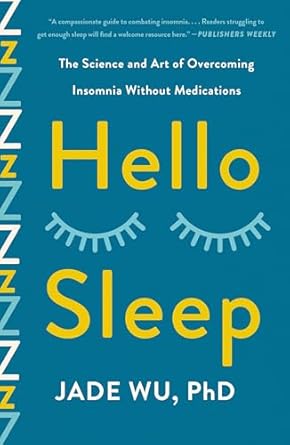
In "Hello Sleep," Jade Wu combines the science and art of sleep therapy, offering a comprehensive approach to overcoming insomnia without medication. Drawing on her clinical experience, she explains how our mindset, environment, and habits can contribute to quality sleep.
With useful tools, techniques, and examples, the book emphasizes sustainable change and developing a healthy relationship with sleep that will last for years.